


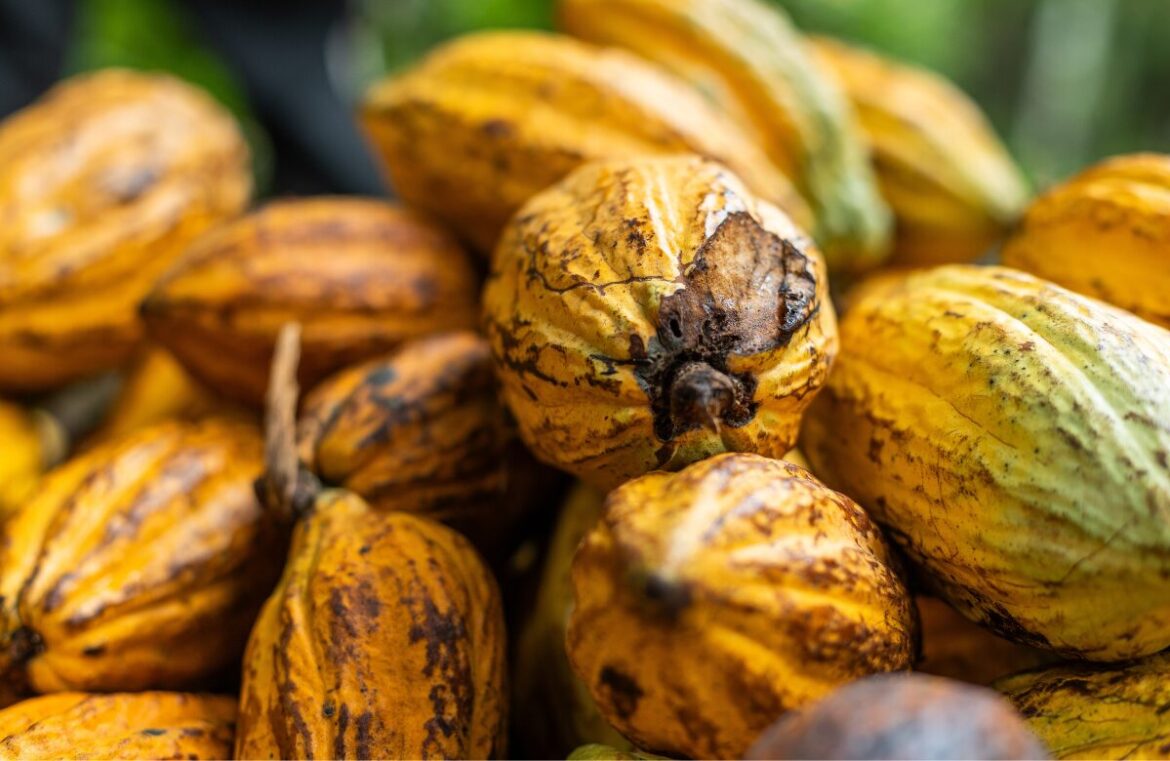
Research from the University of Queensland has shown microbes could give Australian-grown chocolate an edge in the global market.
Through their work with growers in Far North Queensland, scientists have discovered the cocoa fermentation process may have a bigger influence on the flavour of chocolate than the cocoa tree itself.
Food chemist Dr Marlize Bekker compared the aroma, flavour, and composition of crushed cacao beans – called nibs – from Fishery Falls, Mt Etna and Shannonvale.
Dr Becker said in this study the method and location of fermentation played a greater role in the taste of chocolate than the location of the farm or type of coca tree.
“We had different types of cocoa trees and we thought that would have a big impact on the flavour but the tree’s genotype had a much smaller role to play than the fermentation process itself,” she said.
“Whatever is in the environment drives the natural fermentation – nothing is introduced – and we know it is critically important for flavour and quality.”
Dr Bekker said understanding the driving forces behind unique flavours allowed producers to control it.
“Cocoa can display a remarkable diversity of flavour characteristics, ranging from classic chocolate and roasted notes to buttery and even tropical aromas,” she said.
“By understanding Australia’s unique fermentation environment, we can intervene during the process and start to direct those flavour profiles.”
Dr Bekker said the study could help bolster the Australian chocolate industry.
“This is a preliminary study and we are hoping to do more work, so we can position Australia on the world stage and show the unique characteristics Australia has,” she said.
“We don’t want to compete with the mass-produced chocolates; it is about positioning Australia has a premium unique market.”
Charley’s Chocolate Factory chief executive officer and CACAO president Chris Jahnke agree, describing Australia as a “small cottage industry” dependent on ensuring consistent quality.
“In Australia we have high labour costs compared to where most cocoa is grown in West Africa – $30 an hour compared to $30 a month – so we are focused on an absolute premium product,” he said.
“In order to have a premium product you must control the processes very tightly and understand the likely outcomes.”
Mr Jahnke said working with UQ researchers had given scientific backing to a long-held belief in the industry about the importance of the fermentation process.
“It’s a small industry so researchers are able to pick up products from different growers, test them and determine what effect distinct locations have on the flavour profile,” he said.
“The study confirmed the mix of microflora present at a location influences the fermentation, which is a key part of flavour development.”
Dr Bekker said she’d like to see the study expanded further.
“We’ve identified the aroma compounds, and we know they have been associated with these sensory characteristics in previous studies,” she said.
“The next step would be to do some sensory trials with people and link the flavour compound to the sensory attributes.
“It would also be interesting to find out what microbes in the environment are driving the flavour profile using metagenomic testing.”
The research paper has been published in Food Chemistry:X



COMMENTS