


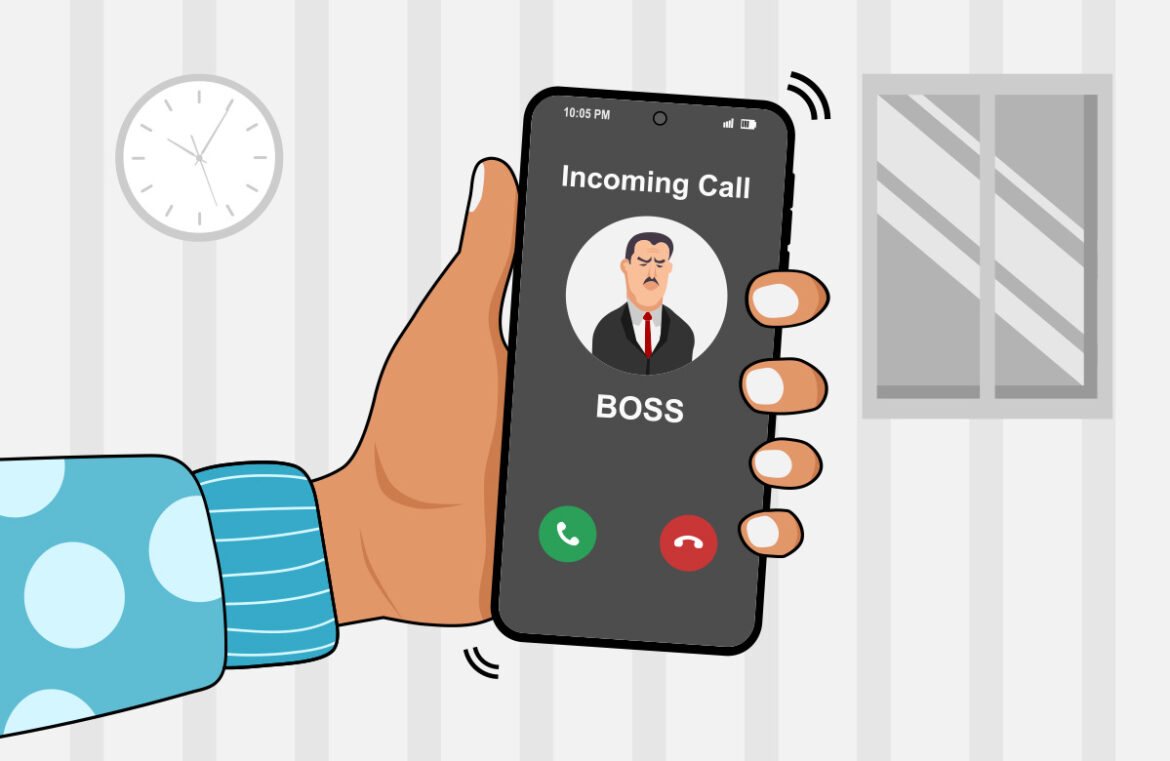
Become familiar with some of the vital workplace changes happening this year.
Payday Super: A fundamental shift from July 1, 2026
From July 1, 2026, employers will be required to pay superannuation guarantee contributions at the same time as wages and salaries, rather than quarterly.
Under the new system, superannuation contributions must be received by the employee’s nominated fund within seven business days of each payday.
This represents a fundamental departure from the current quarterly payment cycle and will require substantial changes to payroll systems and cash flow management.
The reform introduces the concept of “qualifying earnings” as the basis for calculating superannuation guarantee obligations. The legislation has now passed Parliament and received Royal Assent, with the Australian Taxation Office preparing compliance guidelines for the first year of operation.
Payroll systems must be updated to process superannuation with each pay run. Cash flow planning will need to account for more frequent superannuation payments.
The ATO’s Small Business Superannuation Clearing House will close on July 1, 2026, requiring businesses to adopt alternative payment methods.
Contributions must be received, not just sent, within the seven business day window, so employers need to account for bank clearing delays.
The ATO has indicated it will take a risk-based compliance approach during the first year, focusing enforcement efforts on employers who make no genuine attempt to comply while supporting those making good faith efforts to meet the new requirements.
Right to disconnect: Now extended to small business
The right to disconnect applies to small businesses (those with fewer than 15 employees) from August 26, 2025.
This workplace right gives employees the ability to refuse to monitor, read, or respond to contact from their employer or third parties (such as clients or suppliers) outside of their working hours, unless their refusal would be unreasonable.
The law protects employees who reasonably refuse to respond, but it doesn’t mean an employer cannot send an email. What constitutes “unreasonable” refusal depends on several factors, including the reason for contact, the nature of the employee’s role, the manner of contact, and any compensation provided for remaining available.
Workplace parties should have positive discussions about expectations regarding after-hours contact.
Small businesses should review their communication practices and establish clear guidelines about when after-hours contact may be necessary and appropriate for different roles within the organisation.
Managing psychosocial hazards: Strengthened requirements
States have recently strengthened requirements for managing psychosocial hazards in the workplace. Victoria’s Occupational Health and Safety (Psychological Health) Regulations commenced on December 1, 2025, and New South Wales implemented the Work Health and Safety Regulation 2025.
Psychosocial hazards are factors arising from work design, systems of work, workplace interactions, or the work environment that may cause psychological or physical harm to workers. These can include excessive workloads, low role clarity, inadequate support, workplace bullying, exposure to traumatic events, and poor workplace relationships.
Employers must proactively identify psychosocial hazards in the workplace. Risks associated with these hazards must be eliminated where reasonably practicable, or minimised using the hierarchy of controls. In Victoria and NSW, information, instruction, and training cannot be the only or predominant control measure unless higher-order controls (such as changes to work design, systems, or environment) are not reasonably practicable. Consultation with workers, health and safety representatives, and contractors remains mandatory.
This represents a significant shift in how the authorities view these risks, from treating psychosocial risks as primarily a wellness issue to treating them as occupational health and safety hazards requiring legal systematic risk management comparable to physical safety hazards.
Employee Choice Pathway: Casual to Permanent Employment
Since August 26, 2025, small businesses with fewer than 15 employees have been subject to the employee choice pathway provisions. This provision reforms how casual employees can transition to permanent employment.
Under the previous provisions, it was the employer’s responsibility to offer casual conversion to eligible employees. The new employee choice pathway shifts this responsibility to employees, allowing them to initiate the conversion process.
To be eligible, employees:
- Must have been employed for at least 12 months (for small businesses) or six months (for larger employers).
- Must believe they no longer meet the definition of a casual employee under the Fair Work Act (i.e., their employment relationship now involves a firm advance commitment to continuing and indefinite work).
- Must not currently be in a dispute with the employer about conversion.
- Must not have had a previous conversion request refused by the employer in the past six months.
Employers must:
- Must consult with the employee about the request before making a decision.
- Must respond in writing within 21 days.
- Can only refuse the request for specific reasons, including that the employee still meets the casual definition; there are fair and reasonable operational grounds for refusal; or accepting would require non-compliance with other laws.
- Must accept or refuse based on legitimate business reasons, as the employee’s right to make the request is a protected workplace right under the Fair Work Act.
Employers should review their casual workforce requirements, update processes to handle requests, and ensure managers understand the requirements and timeframes for responding.




COMMENTS