


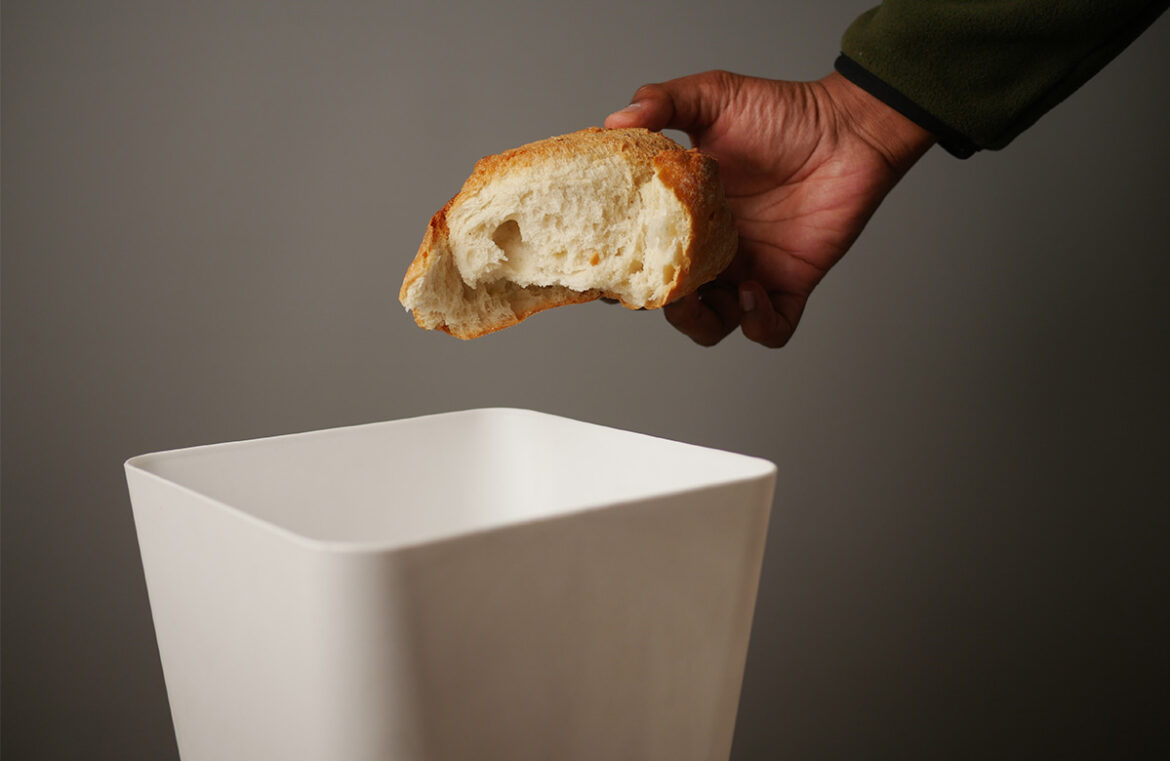
A team of researchers from the University of Edinburgh’s Wallace Lab have devised a method that could potentially see waste bread transformed into fuel.
Led by biologist Stephen Wallace, the team of researchers discovered that if you feed crumbs to E.Coli, the bacteria then produce hydrogen gas.
Speaking with yahoo.com Professor Wallace said hybrid chemo-microbial systems utilising waste feedstock can outperform electrolytic hydrogenation and carbon-negative outcomes.
“This work demonstrates how microbial metabolites can be generated, intercepted and metabolically multiplexed to support biocompatible transition metal catalysis and sustainable chemical synthesis in living cells,” he said.
In a nutshell, hydrogenation is a process commonly used in the manufacture of food, pharmaceuticals, and plastics, and is particularly noted for converting unstable liquid vegetables oils into stable fats. However, according to yahoo.com the issue remains that hydrogenation uses fossil fuels and requires sources of energy that can leave behind a large carbon footprint.
During the research Prof Wallace used unmodified E.coli strands to see what their output would be. The bacteria were contained in an incubator, to which researchers added small amounts of glucose. Breadcrumbs were added when the bacteria were in the middle of a growth phase and anaerobic conditions were introduced before bacteria were again incubated. After the glucose in the breadcrumbs had been metabolised, the bacteria were then genetically modified to produce certain metabolites that then resulted in more hydrogen gas production.
It is thought biohydogenation has the potential to be a viable and sustainable replacement for traditional hydrogenation reactions, and the use of waste bread resulted in an even greater reduction in carbon emissions. According to yahoo.com, the use of bread already destined for the bin instead of producing a different product for the bacteria to feed on reduced carbon emissions so drastically that the researchers predicted it would a positive effect on stalling – and possibly even reversing – the effects of global warming.
“Life cycle assessment confirmed [cleaner energy production] for this hyrbid chemo-microbial process, with carbon-negative outcomes achievable using waste-derived outputs,” Prof Wallace said.
“These findings underscore the potential of biocompatible chemistry to enable the [metabolic] and sustainable synthesis of new-to-nature compounds in living cells.”
The full study was published in the journal Nature Chemistry.



COMMENTS