







As global demand for protein continues to surge, new research from Adelaide University may have revealed how we could build a more sustainable food system by utilising black soldier fly larvae.
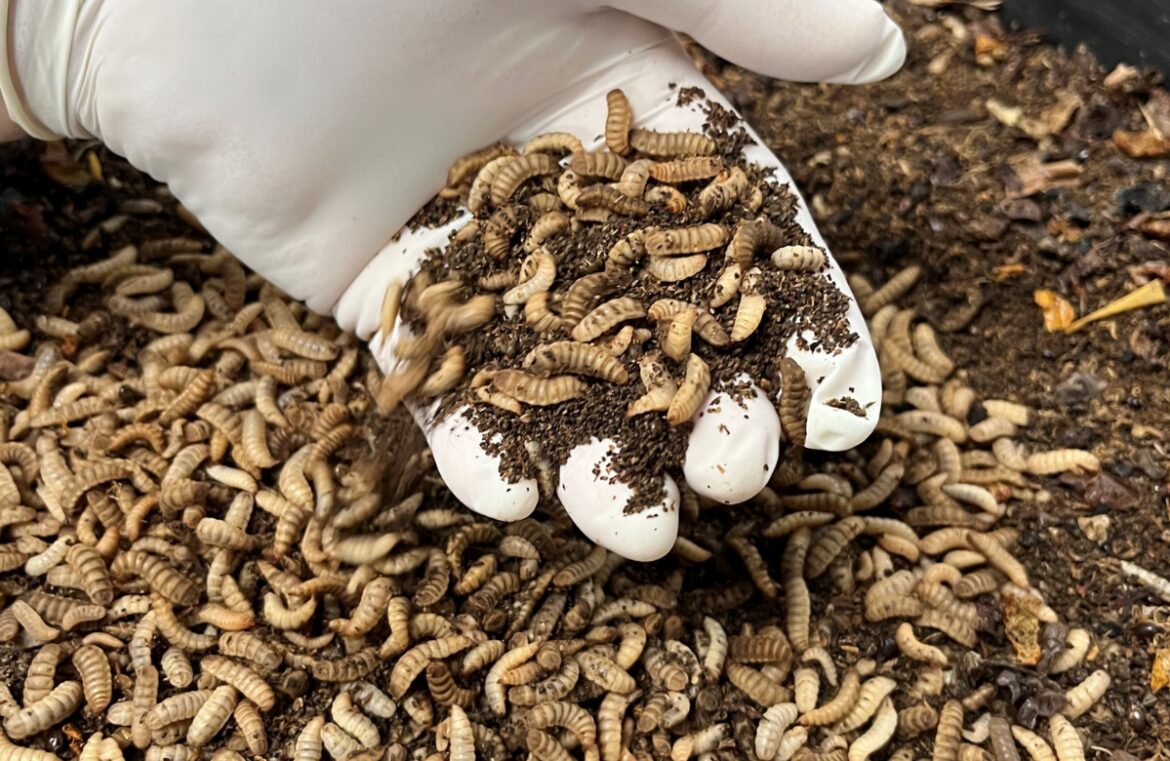
The university, in partnership with the Australian Superintendence Company (ASC) and grower Mobius Farms and Fly Farm Australia, is investigating how black soldier fly larvae can be farmed to produce a safe, nutritious, and protein-rich biomass.
Mobius Farms and Fly Farm Australia contributed larvae produced under controlled commercial conditions using agricultural waste streams, supporting this early-stage research rather than producing insects for human consumption, which requires separate, higher-standard production systems.
The premise is simple: black solder fly larvae are fed different types of agricultural waste, and when harvested, their protein profiles vary depending on what they’ve eaten.
Early analysis suggests that harvested larvae contain protein levels comparable to conventional meat sources and exhibit a fatty acid profile that includes beneficial omega-3 and omega-6 fatty acids.
PhD researcher Sam Mallard says this research is a step closer to finding more resource-efficient ways to produce alternative, high-quality protein-rich foods and other valuable bioactive compounds for humans.
“For a long time, the world has relied upon traditional livestock as a source of protein. But with population growth, we need supply systems that will not only meet demand, but do so in a sustainable and efficient way,” he said.
“If we don’t diversify how we produce protein, we risk higher food prices, greater environmental pressures and increased strain on our global food systems. Exploring alternative sources helps build resilience into the way we feed people.
“Our project is exploring how black soldier fly larvae could deliver a protein that not only addresses demand but also reduces agricultural waste.
“Compared to traditional livestock, black soldier fly larvae are a highly sustainable protein source with a low environmental footprint. They require very little space, don’t produce methane like cattle, and they’re very easy to farm.
“They also help tackle agricultural waste, so instead of these by-products going to landfill, they’re fed to the larvae, capturing their nutrients to produce biomass that could help diversify Australia’s future protein supply.”
Agricultural wastes being assessed include olive and grape pomace (the leftover fragments of skin, pulp, seeds and fruit from pressing olive oil and making wine), fermented banana skins, other agricultural by-products.
Principal investigator, Dr Permal Deo says the team is also focused on food safety, tracking how potential contaminants move from feed substrates to larvae biomass.
“If this protein is to be considered for human consumption, food safety is absolutely paramount,” Dr Deo said.
“Insects produced specifically for human consumption are subject to stringent safety and production standards, which this research is helping to inform.
“We want to produce a protein that is high quality, safe and something that consumers can trust.
“Because the larvae consume organic waste, we’re measuring levels of heavy metals, pesticide residues and naturally occurring toxins to ensure that the product meets rigorous safety expectations.”
Sam said the work will generate data to support the development of national testing standards and industry guidelines to help facilitate regulatory approval and market acceptance.
“By establishing robust safety protocols and nutritional insights, this research could support the commercialisation of insect-based proteins in Australia,” he said.
“The edible insect sector is edging closer for Australians. While we may not see whole insect products on supermarket shelves anytime soon, processed powders and supplementary ingredients incorporated into existing foods are achievable.
“While some insect producers are exploring food applications, many Australian operators currently focus on waste management and resource recovery, reflecting the sector’s early-stage development.
“Australia has a strong agricultural legacy of producing high quality, nutritious food. By combining waste reduction with precision nutritional design, this research is helping position Australia at the forefront of safe, sustainable alternative protein production.”
This research is supported by the National Industry PhD Program, an Australian Government initiative administered by Campus Plus.


COMMENTS