


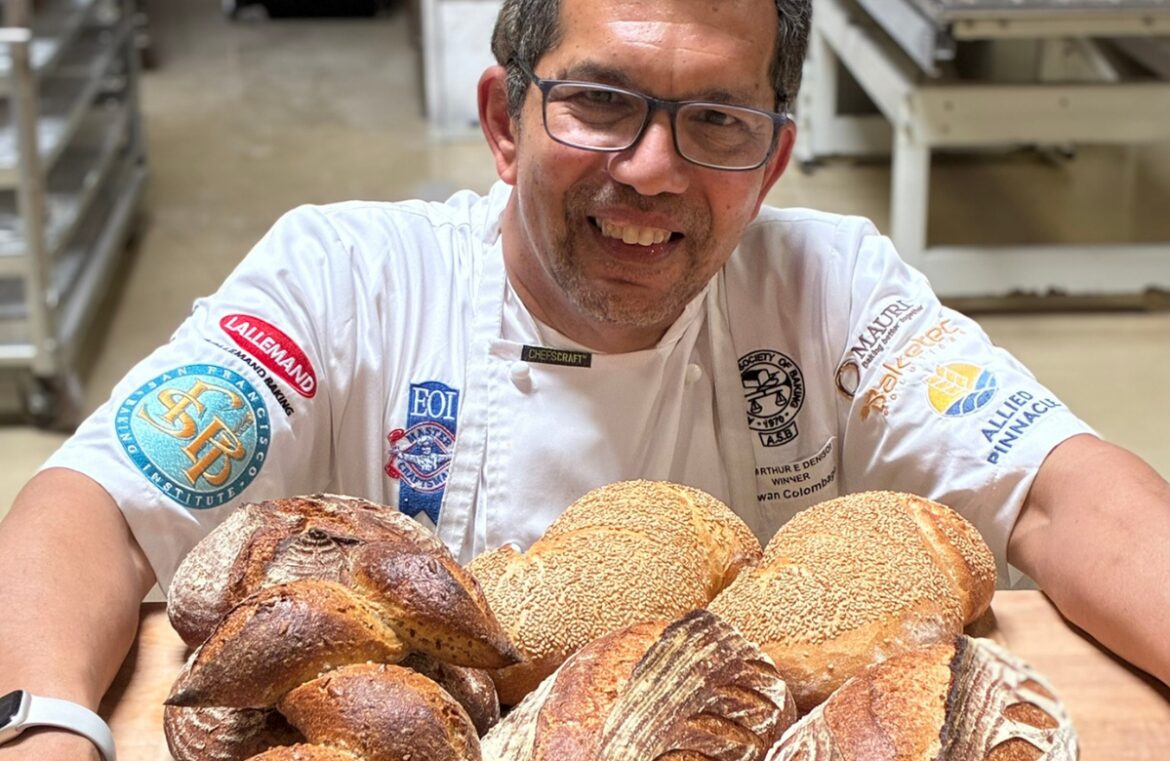
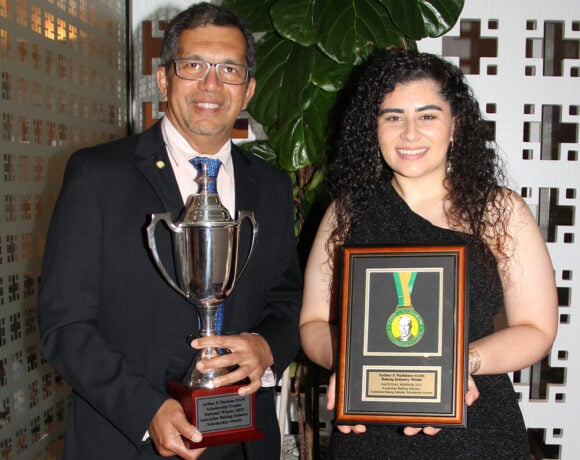
2025 Arthur E Denison Scholarship winner Ruwan Colmbage recently returned from his trip to the US, where he spent time at the San Francisco Baking Institute and visiting some of the city’s most iconic bakeries. He shared his highlights with Baking Business.
Can you give us an overview of your trip?
I travelled to the United States in July 2026 as part of the scholarship opportunity I received to undertake specialist baking training. The main part of my trip was spending time at the San Francisco Baking Institute (SFBI), where I completed a five-day artisan bread training program from July 20 to 24. I stayed for one more week travelling and seeing places mostly anything related to baking.
The trip was a great opportunity for me to step away from my normal teaching environment and immerse myself in professional artisan baking. I was able to see different approaches to bread production, work with different types of flour and fermentation methods, and gain a better understanding of the science behind bread making.
For me, it was also about bringing that knowledge back to Australia and being able to share it with my students and colleagues.
What bakeries did you visit? What stood out about each of them? Did you choose them or were they chosen as part of the scholarship trip?
I had the opportunity to visit a number of well-known San Francisco bakeries including Acme Bread Company, Boudin Bakery, Tartine Bakery, Tartine Manufactory, Arizmendi Bakery, Ariscault bakery, Jane the Bakery, Ghirardell chocolate shop and few other local bakeries.
These were particularly interesting to me because they represent different parts of San Francisco’s strong bread-making culture. Acme is well known for its artisan breads and baguettes, Boudin represents the city’s long history and tradition of sourdough and its unique high sour flavour and texture profile, while Tartine has had a major influence on modern artisan sourdough. Arizmendi also stood out for its artisan breads, pastries and its worker-owned cooperative model. Jane the Bakery was a another unique bakery with patisserie and bread both in the shop.
What I found particularly interesting was that although many bakeries are producing similar products, each bakery has its own approach to fermentation, dough handling, shaping, baking and presentation. Visiting these bakeries gave me the opportunity to compare traditional San Francisco sourdough with newer approaches to artisan bread.
What stood out to me was the strong focus on quality and consistency. There was a lot of attention to detail, from the choice of flour and fermentation process through to the final shaping and baking of the products. Presenting the bread with a story was very evident in many places with short history of the bread and its history of the sour starter.
The bakery visits were also useful because I could compare what I was seeing in the US with what we currently do in Australia. Some of the bakeries were places I specifically wanted to visit because of their reputation and relevance to bread making, while others formed part of the broader scholarship experience. Seeing Acme, Boudin, Tartine and Arizmendi alongside my training at SFBI gave me a much broader understanding of the artisan baking industry in the San Francisco area and how customers are happy to pay a premium and wait in the line to buy their unique product.
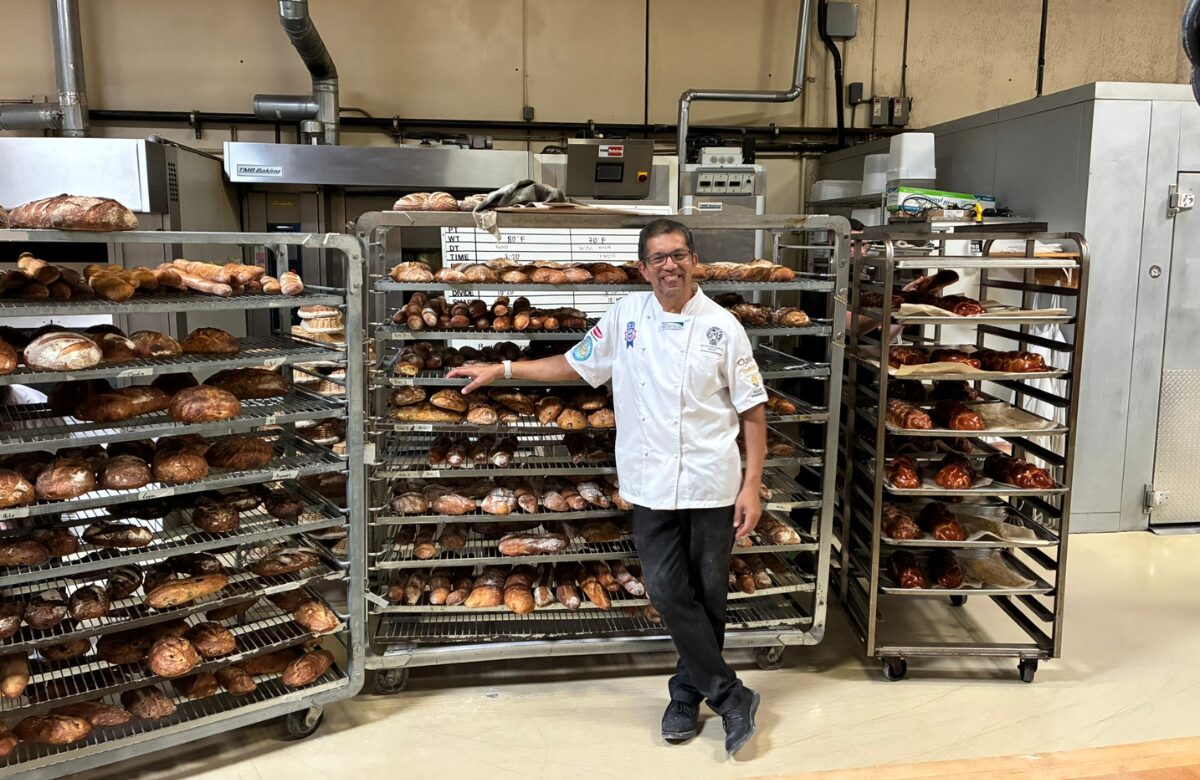
Ruwan onsite at SFBI
Your trip also involved spending time at the San Francisco Baking Institute. Can you give us a more detailed breakdown of what you saw and learned there?
The time at the San Francisco Baking Institute was definitely the highlight of the trip. Another special part of the experience was meeting the legendary baker and author Michel Suas. What impressed me was how down-to-earth and approachable he was, despite his enormous contribution to the baking industry.
He also has a connection to Australia through Sonoma Bakery in Sydney, where he was one of the people who helped support the bakery in its early days. Meeting someone with such a strong connection to the development of modern artisan baking was a very memorable part of my trip.
The training gave me a much deeper understanding of artisan bread production process and how we can control the process with understanding . We looked at the complete process rather than simply following a recipe. This included flour selection, hydration, fermentation, mixing, dough development, dividing, pre-shaping, final shaping, proofing and baking.
One of the areas that particularly interested me was sourdough fermentation and the relationship between lactic acid bacteria and yeast. We looked at both liquid and stiff levains and how the consistency of the sour can influence fermentation and the taste profile of the finished bread. A liquid sour and a stiff sour can create quite different fermentation characteristics and flavour profiles, even when they are based on the same flour and culture.
I also became much more interested in what happens when dough is fermented in the chiller versus room temperature . Different temperature ranges influence the activity of the yeast and lactic acid bacteria, so understanding how fermentation changes at lower temperatures is important when developing an overnight or retarded dough process. It is not simply about putting dough into the fridge; the fermentation stage, time, inoculation, dough strength and temperature all influence the final result.
Another important learning point was understanding the parameters that influence the final crumb structure and taste of the bread. Hydration, flour characteristics, fermentation time, levain percentage and consistency, dough development, shaping, proofing and baking all contribute to the final crumb, aroma, flavour and texture.
Another important part was learning to look at bread scientifically. Rather than simply asking whether a recipe worked, we looked at why it worked and how we could adjust the process to achieve a particular result.
You said you came back with lots of new ideas, techniques and inspiration from the trip. Can you share anything with us?
Absolutely. I came back with a lot of ideas that I want to incorporate into my teaching.
One of the biggest areas is fermentation. I have been looking more closely at how we use sourdough, levain, poolish and other preferments and how they can be used to produce different flavours and textures.
I am particularly interested in helping students understand the difference between a liquid sour and a stiff sour, and how the consistency of the levain can change the fermentation behaviour and taste profile of the finished bread. I also want students to understand the relationship between yeast and lactic acid bacteria and how their activity changes across different fermentation temperatures, particularly when dough is retarded in the chiller.
I also want to look more closely at the factors that determine crumb structure and flavour. Rather than treating the final crumb as simply a result of the recipe, we can look at hydration, flour, levain, fermentation, dough development, shaping, proofing and baking as interconnected parameters.
Another area is flour. I came back wanting to understand Australian flour even better and how we can adapt recipes developed overseas to the flour available here. A recipe developed in San Francisco doesn’t necessarily behave exactly the same way when we use Australian flour, so understanding the flour and adjusting the formula and process is very important.
I also came back inspired by the level of attention given to the fundamentals of bread making. Good bread isn’t necessarily about having a complicated recipe. It is about understanding the ingredients, fermentation, dough development and handling, and being able to understand why the bread develops a particular crumb, flavour and texture.
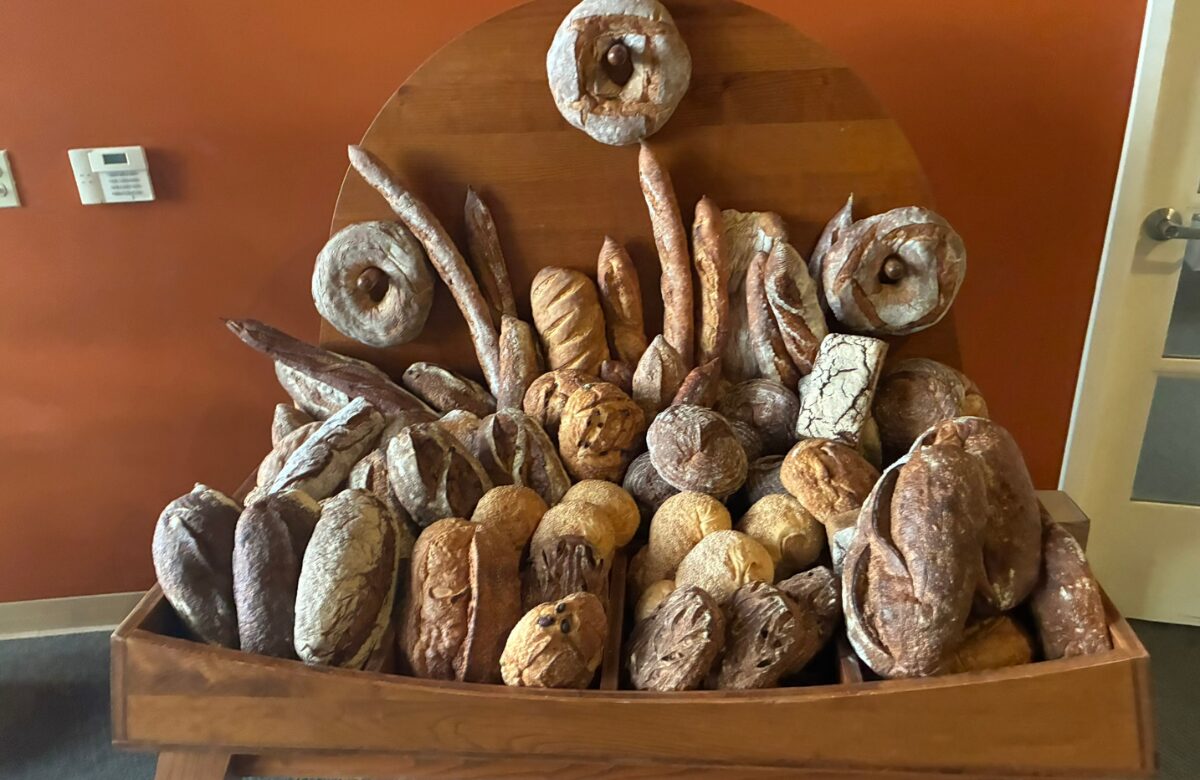
Some of the creations Ruwan saw
What will the next step be regarding implementing what you learned?
The next step for me is to take what I learned and test it in our Australian environment.
I am also trying to connect with Australian flour millers to explore opportunities to work with them and share some of my understanding of artisan baking. My aim is to see how the recipes and techniques I learned in San Francisco can be adapted to Australian flours, and to better understand how different Australian flours can be used to achieve the same quality of artisan bread.
I don’t want to simply copy an American recipe and expect it to produce exactly the same result here. I want to understand the formula, understand why it works and then adapt it to our local flour, temperatures and production conditions.
I also want to introduce some of these concepts into my teaching. My aim is for students to understand not only how to make bread, but why the dough behaves the way it does.
That includes teaching students about fermentation, dough temperature, hydration, flour characteristics, levain development and how changes in a formula affect the final bread.
Is there anything else you’d like to add?
I feel very fortunate to have been given this opportunity through the scholarship. The experience at the San Francisco Baking Institute gave me the chance to learn from people who are highly specialised in artisan bread and to look at baking from a different perspective.
For me, the value of the trip isn’t just the techniques I learned while I was there. It is what I can bring back and share with other trainers and, most importantly, with our students.
I have been in the hospitality and baking industry for many years, but I believe that as a trainer you should always continue learning. The baking industry continues to change, and this experience has given me new ideas and motivation to continue developing my knowledge. I hope that the knowledge and experience I gained from this scholarship will ultimately benefit our students and help them develop a stronger understanding and appreciation of professional bread making and bringing new bakers with a understanding and appreciation for artisan bread and its process as the old is new now.


COMMENTS