


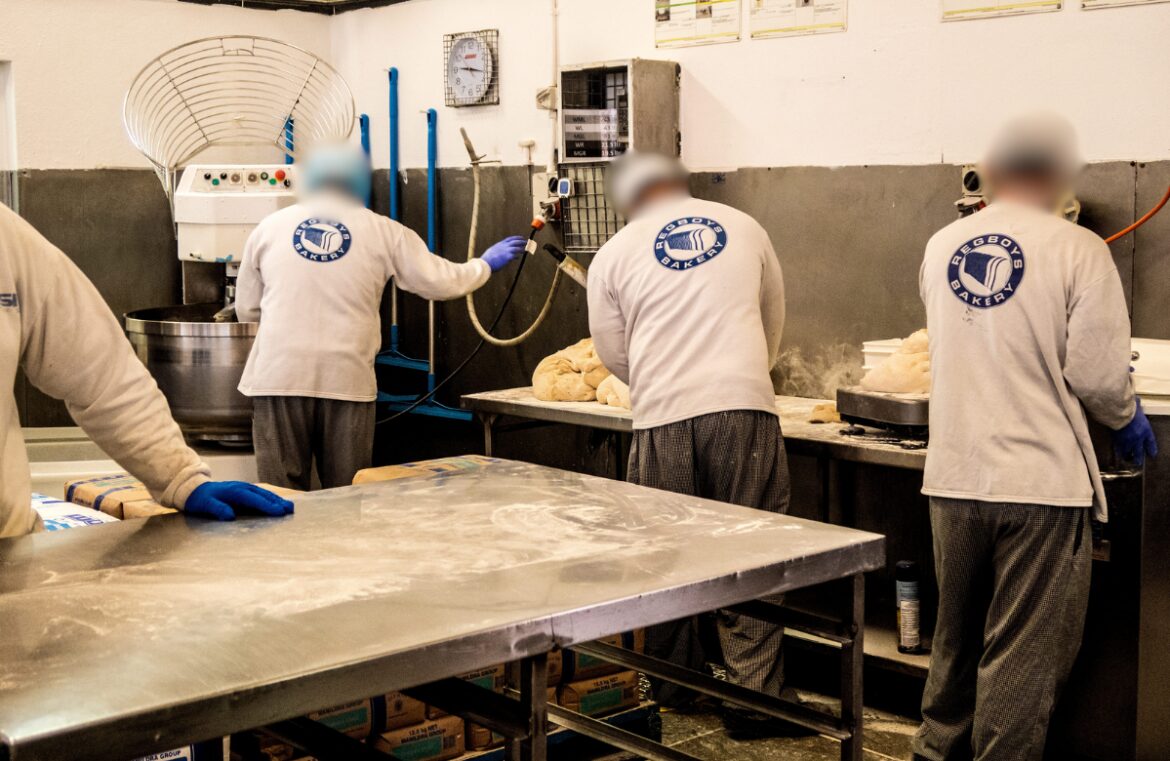
Across Australia, inmates at a number of Australian prisons are gaining training, certifications and experience through in-house bakeries, serving them up with second chances at a new life.
Reg Boys Bakery, Long Bay Correctional Centre, NSW
Established in 1997 and located just outside Sydney’s CBD at Long Bay Correctional Centre, Reg Boys Bakery is the epitome of a commercial bakery.
Run under the watchful eye of business unit manager Mark Yates, the bakery currently operates five-days-a-week – Monday to Friday – from 3.30am until approximately 12.30pm with day-to-day-production varying.
Mark said inmates were screened as they came into custody, with those noting prior experience or an interest in the field being directed towards Reg Boys Bakery.
“[Long Bay Correctional Centre] is a working jail, so you basically have to come here to work,” Mark said.
“Each year we run a TAFE accredited Certificate III in baking, which goes for approximately 36 weeks. Each year we have 10-12 inmates that go through.”
From a technical perspective each of the inmates go through the basics of bread, beginning with hand dough and dough mixes, as well as making sweet-yeasted goods like croissants, vanilla slices, choux pastry, sponge cakes and Christmas puddings.
“We have two operations in the bakery. We have what’s called the bread fodder and then we have weekend lunch, which is the sausage rolls and desserts – muffins and biscuits, and that sort of thing, which we make on a monthly basis,” Mark said.
An almost paddock to plate ethos is embraced too, with seasonal fruit and vegetables grown and processed at St Heliers Correctional Centre used alongside dairy processed at the Emu Plains Correctional Centre throughout the product range.
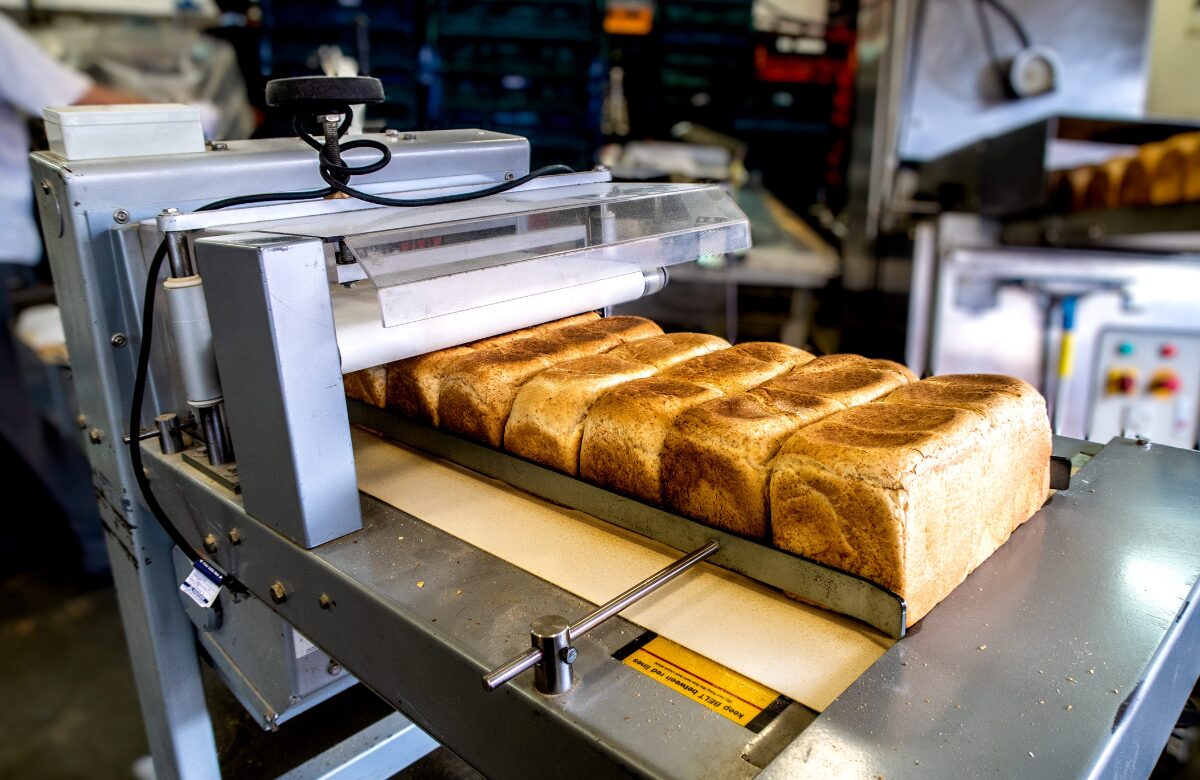
Bread production at Reg Boys Bakery
The pure scale of products being made is huge, with Mark estimating the weekly number sitting somewhere near 80,000 – enough to feed not just Long Bay Correctional Centre, but each prison across New South Wales.
“Every single prison in New South Wales for a Saturday or Sunday will get a weekend lunch from Regs Boys Bakery, or they’ll get a dessert during the week,” Mark said.
Mark, himself, has been in the industry since he was a teenager, and had been balancing his baking career with work as a casual TAFE teacher. He joined Long Bay in 2010 as a bakery overseer in pursuit of better work-life balance after 33 years of shift work.
Instead, he said, he found a deeper purpose.
“I was looking for something else in the baking industry where I could help more,” he said.
“Reg Boys Bakery is currently celebrating 29 years this year, so you can imagine the thousands of inmates that have come through the system here. The beauty is we really don’t see a lot of them that come back, so that means we must be doing something right here.”
Kareenga Bakery, Kareenga Prison, Victoria
For the past decade the Kareenga Bakery has been operating Monday to Friday to produce bread, pastries and specialty items to all state-run correctional facilities across Victoria.
A team of seven staff members, including one supervisor and six dedicated industry officers that are a mix of both qualified bakers and chefs, guide up to 50 men each day on the bakery floor through the essentials from cooking from scratch through to packaging and distribution.
Current estimates show on a weekly basis Kareenga Bakery produces more than 1000 bread loaves and 4000 bread rolls, and 800 hot dog buns, while there are over 3000 meat pies, 3000 meat and vegetable pasties, 3000 vegetable pasties, and 3000 sausage rolls leaving the kitchen each day – and that’s before you factor in the seasonal specialty items like Christmas cakes, hot cross buns, and Anzac biscuits.
Industry Operations Manager, Corrections Victoria, Paul Rowley said Kareenga Bakery gave prisoners the opportunity to develop practical, job-ready skills.
“… and hands-on experience that can help them secure employment when they return to the community,” he said.
“We know that stable employment is a key factor in helping to reduce reoffending and programs like this one ensure the men have every opportunity to succeed.
“That means taking time to ensure they build the confidence, skills and experience needed to thrive both during the program and after release.”
A major element of this has been the introduction of TAFE qualifications in July 2025, and it’s anticipated the first graduates will complete their Certificate III in Baking in June 2028.
Currently there are two classes that operate out of Kareenga Bakery: one that is working class, which operates one day a week and requires some level of previous industry experience, as well as a beginners’ class that operates two days a week.
Each of the classes includes a mixture of theory and practical work, with Federation University providing one teacher on site who works closely with the bakery manager to deliver the lessons.
Currently there are 18 students enrolled across both classes, and the program has already been heralded a success with one participant continuing with their apprenticeship after their release from Kareenga Prison.
A bakery team member shared,” being part of the bakery has given me the chance to contribute to something positive while building practical skills that will help me create a better future for myself after release.”
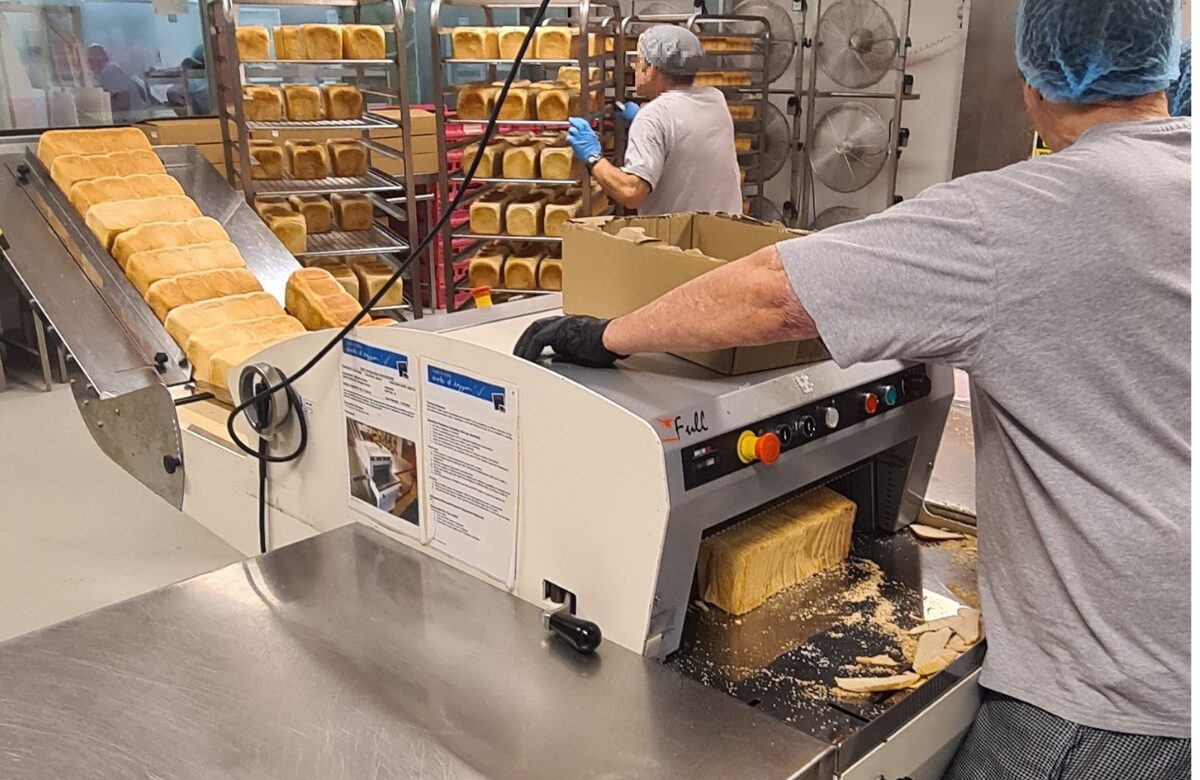
It’s all hands on deck at Kareenga Bakery
Mobilong Bakery, Mobilong Prison, South Australia
The Mobilong Prison Bakery has been operating since 1987 as part of the South Australian prison industries program, and is now an established component of vocational training and prisoner employment pathways within the state.
Although the exact figures aren’t available, historically around 20 prisoners each year have completed a Certificate II in Food Processing (Bakery) through TAFE SA in conjunction with Mobilong Bakery, gaining nationally recognised skills and qualifications while working in the commercial bakery environment.
However, despite the strong training component to the bakery a Mobilong Prison spokesperson said it was important to note the bakery operates as a genuine production workplace rather than simply a training environment.
“The bakery’s primary focus is producing staple baked goods, which are used throughout South Australia’s correctional system,” they said.
“In addition to producing quality food products, the bakery provides prisoners with practical workplace experience and exposure to the standards, routines, and expectations of a commercial food production environment.
“Participants work alongside experienced staff using industry-standard bakery equipment including commercial mixers, dough moulders, proving equipment and bakery ovens.”
Unfortunately, the TAFE SA bakery course is currently paused at Mobilong Bakery due to operational constraints, but in the past it has been delivered by a TAFE SA bakery lecturer in partnership with Mobilong industry staff.
However, the spokesperson said although the formal training delivery is on hold, the bakery itself still continues to operate as an important prison industry workplace that provides meaningful employment and skill development opportunities.
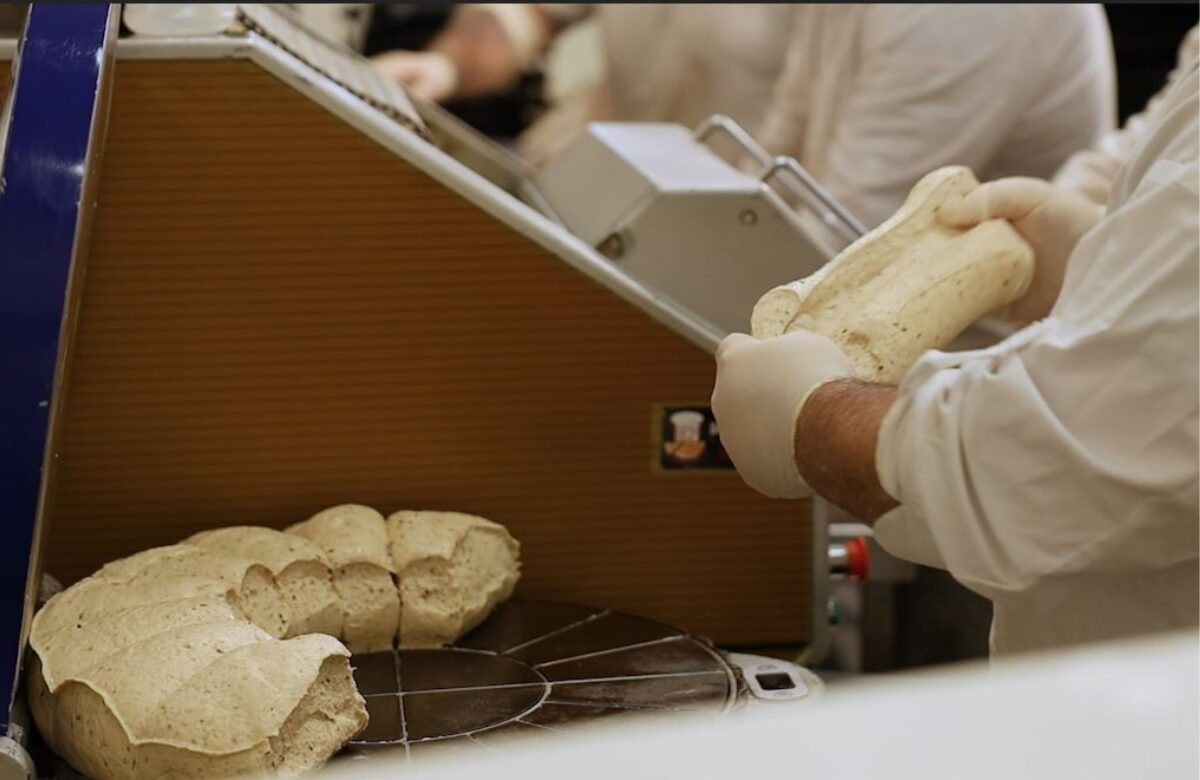
A wide variety of technical skills are taught at Mobilong Bakery
“The benefits of the bakery program extend far beyond learning how to bake,” they said.
“Participants develop a wide range of transferable workplace skills including teamwork, communication, time management, problem solving, food safety, quality assurance and working to production schedules. These skills are highly valued by employers across the food production sector and many other industries.”
And, with employment widely considered to be one of the strongest protective factors against reoffending, the work done at Mobilong Bakery can help support the successful reintegration of inmates into the community and help contribute to safer communities overall.
“Research consistently shows that participation in education and vocational training improves employment outcomes and reduces the likelihood of returning to custody,” the spokesperson said.
“While the bakery produces food products that support correctional facilities across South Australia, its greatest value lies in the opportunities it creates for the people who work there. By developing skills, confidence, qualifications and work readiness, the bakery helps participants prepare for life beyond custody and contributes to positive long-term outcomes for individuals, families and the broader community.”
Note
Current figures show the national average chance of reoffending within two years of release sits at around 43 per cent – equating to roughly four in every 10 prisoners. However, this number drops to between 12 and 35 per cent if they can secure stable work.





COMMENTS