


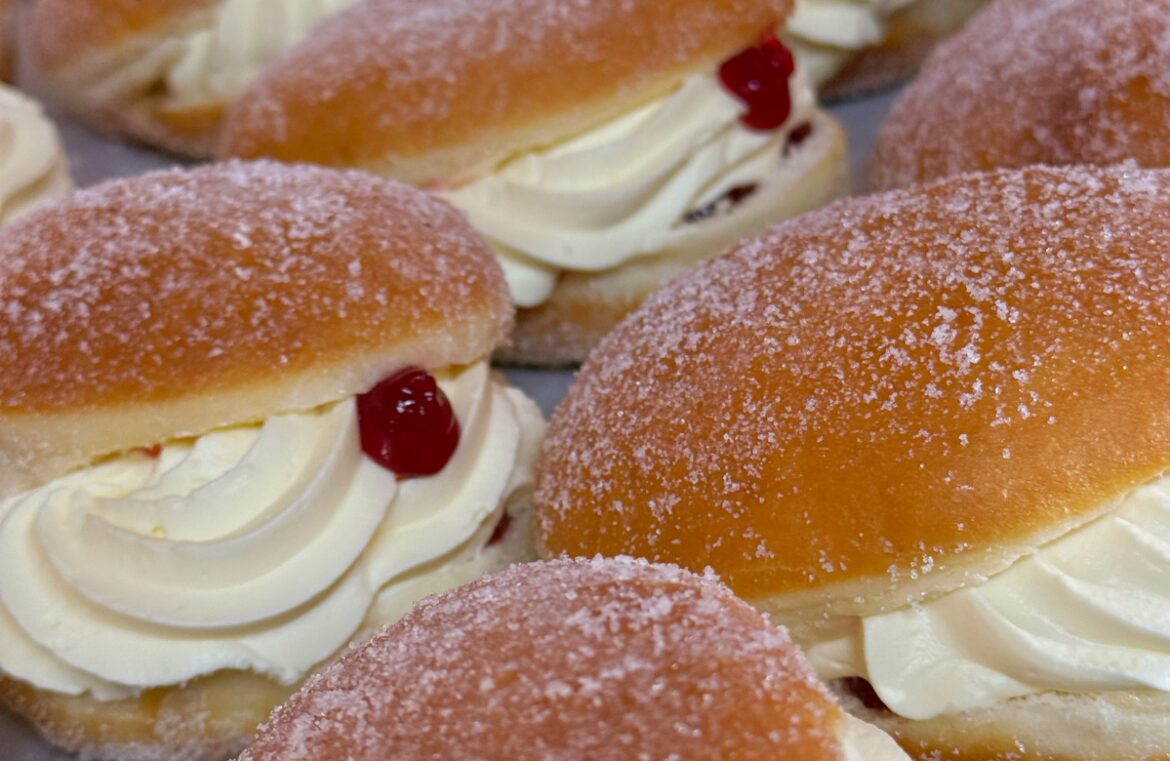
A South Australian delicacy, Kitchener Buns have formed part of the state’s gastronomic landscape for more than a century.
If a list of classic Australian bakery items were to be made we’d undoubtedly find meat pies and sausage rolls included alongside finger buns, vanilla slice, and lamingtons. But in South Australia there’s one iconic item that would be at the top every time: the Kitchener Bun.
It’s thought the sweet treat was first introduced to the state by German Lutheran immigrants, who had fled their homeland to escape religious persecution.
Originally known as a Berliner, the sweet-yeasted doughnut-like bun was swept up in the Nomenclature Act in 1917, which saw towns and items across South Australia with German names be renamed. It became known as the Kitchener Bun – named after the British Secretary of State for War in the early years of WWI – and the name stuck despite the Nomenclature Act 1935 that restored many of the former German names.
The taste of tradition
So what exactly is a Kitchener Bun? Don’t be fooled by its appearance and think it’s a relative to the jam and cream-filled bread-based bun that can be found in bakeries across Australia.
Rather, Kitchener Buns are made from a sweet-yeasted dough, similar to a doughnut, that is fried before being dusted with sugar and then filled with fresh jam and cream.
Crafers Bakehouse, located in the Adelaide Hills, is a bakery that has built a strong reputation for their Kitchener Bun. In fact, owners Sarah Hutson and Tristan Cayzer laid claim to the 2025 Australia’s Best Kitchen But title at the South Australian Baking Show that same year.
At Crafers, Sarah said, they have been using the same recipe since they first opened and it’s one they’ve perfected and refined through experience.
Although their recipe remains a trade secret Sarah said crafting the perfect Kitchener Bun began with quality ingredients.
“We like to say the main ingredients are love, passion and a genuine commitment to making the best product we can,” she said.
“For us, a great Kitchener Bun starts with quality, fresh ingredients. It should be a soft, light, sweet doughnut coated in sugar and generously filled with fresh whipped cream and a good quality raspberry jam. It’s a simple product but, when every element is done well, it’s hard to beat.”
It sounds simple, but Sarah said if you break it down further a truly exceptional Kitchener Bun needs to tick every box, from fresh and soft dough right through to cream that has been whipped to the perfect consistency. Then, there’s the jam, which she said needs to complement the rest of the bun rather than overpower it.
“Above all, it needs to be made fresh daily,” she said.
“You can’t hide behind shortcuts with a product this simple.”
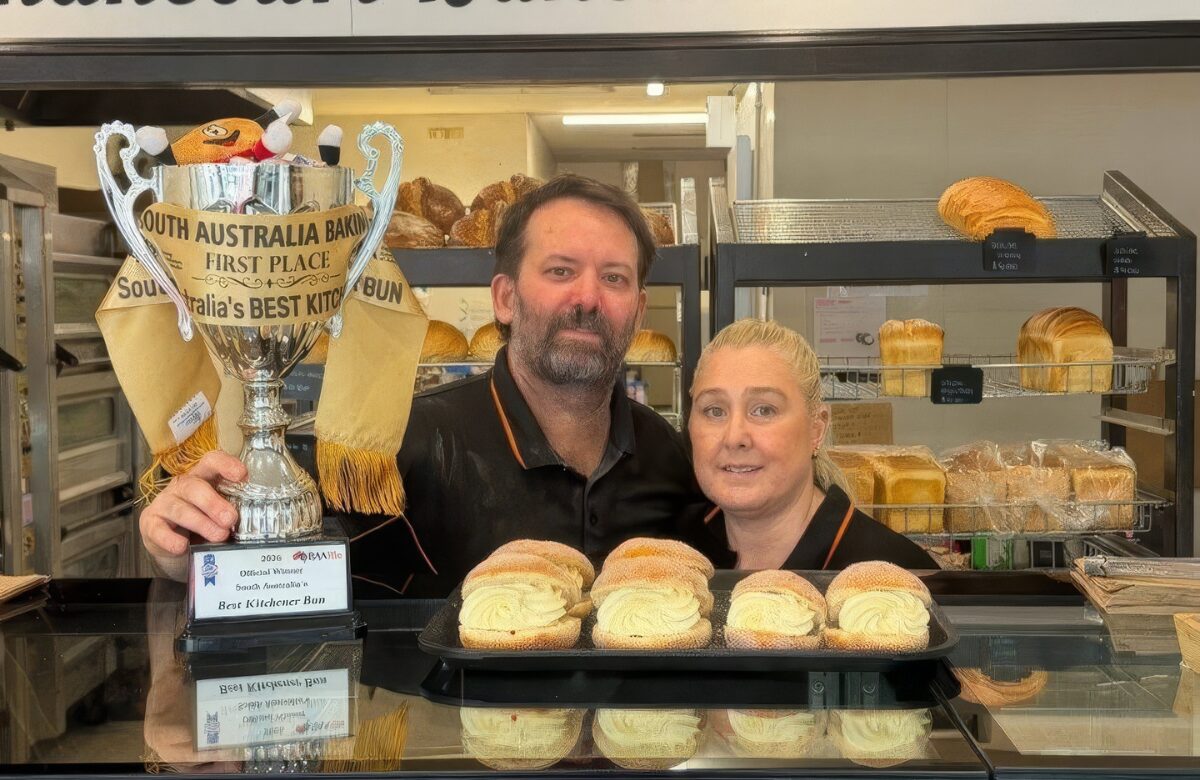
Dernancourt Bakehouse currently hold the Australia’s Best Kitchener Bun title
The current title holder for Australia’s Best Kitchener Bun is Dernancourt Bakehouse owner Ben Lock, who agreed with Sarah that it’s not possible to produce a quality bun using subpar ingredients.
“A truly exceptional Kitchener Bun comes from quality products and a nice soft dough,” he said.
“When we make Kitcheners we use good quality ingredients and they are made fresh every day.”
Ben said he’s been making Kitchener Buns using the same recipe for 20 years – the Laucke yeast raised donut mix that he has tweaked a little bit to create their award-winning recipe – and he considers such a classic recipe to be set in stone.
The filling, however, is fair game when it comes to creative licence.
“We like to play around with the filling,” he said.
“Recently we did some mini Kitchener boxes that we called Rainbow Kitchener box. We used apricot, lemon, raspberry jam, Biscoff, pistachio and blueberry filling.”
At Crafers, Sarah they tended to stick more closely to the classic version.
“As traditionalists we’d probably say no [to changing the recipe]. The Kitchener Bun is a classic South Australian bakery staple and, in our opinion, classics should largely stay classics. That said, as realists we know there’s always room for modern interpretations and different flavours,” she said.
“There’s certainly place for creativity, but we believe the traditional version should always remain at the heart of it.”
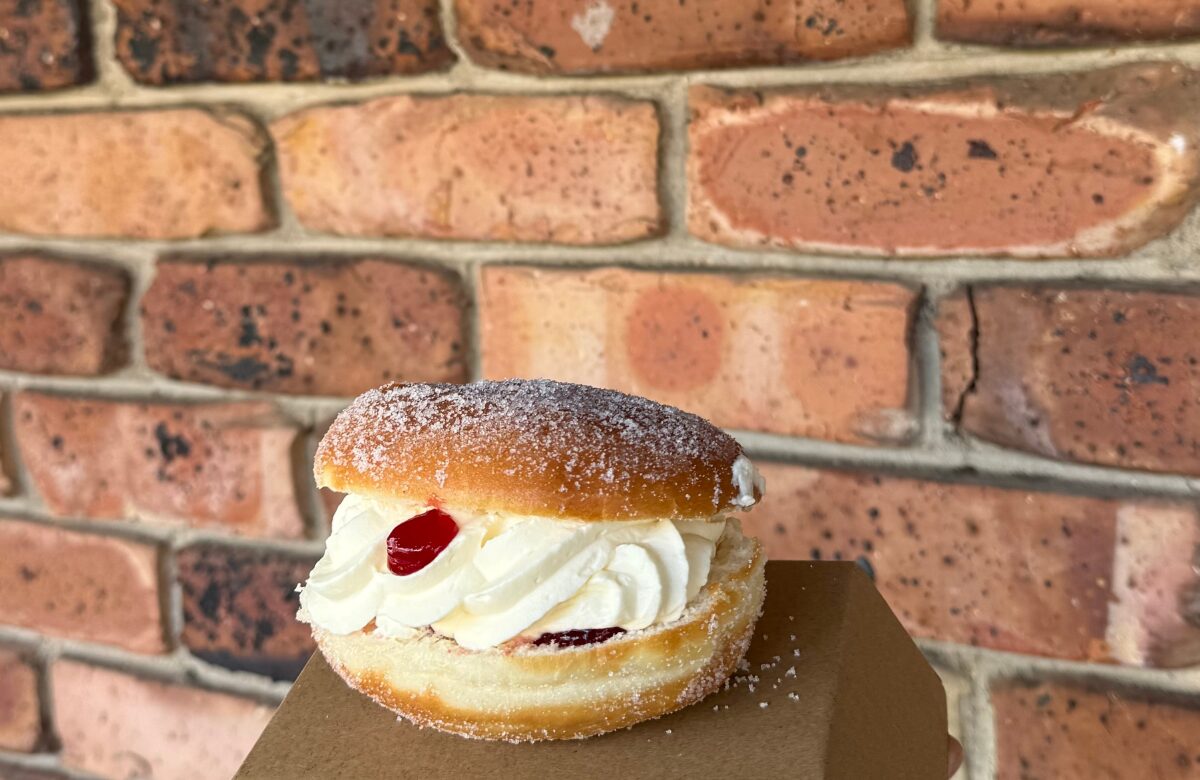
Crafers Bakehouse have built a name for their Kitchener Buns
Keeping an eye on the prize
You’d think that with an item that’s technically simple to make, there would be very little room for error, however, Ben said that wasn’t the case.
First up, he said it is vital to keep a watchful eye on the Kitchener Buns while frying them.
“[Bakers] need to make sure when they fry the doughnuts that they fry them enough so they’re not too doughy, but just enough so they are not too dark,” he said.
“Also don’t rush the proofing process and use a good quality frying oil. Some of the biggest mistakes people make are not changing their oil enough. Another one is using cheap or mock cream.”
Similarly, Sarah said every step matters and there are plenty of mistakes that should be avoided when making Kitchener Buns.
“[Avoid] an oily doughnut from incorrect frying, cream that’s over-whipped or under-whipped, using imitation instead of fresh cream, not being generous enough with the filling, or simply selling a product that isn’t fresh,” she said.
“There aren’t many components in a Kitchener Bun, so every one of them has to be right. Customers know exactly what a good one should taste like. We genuinely care about every product that leaves our bakery, and we think customers and judges can taste that.”


COMMENTS