


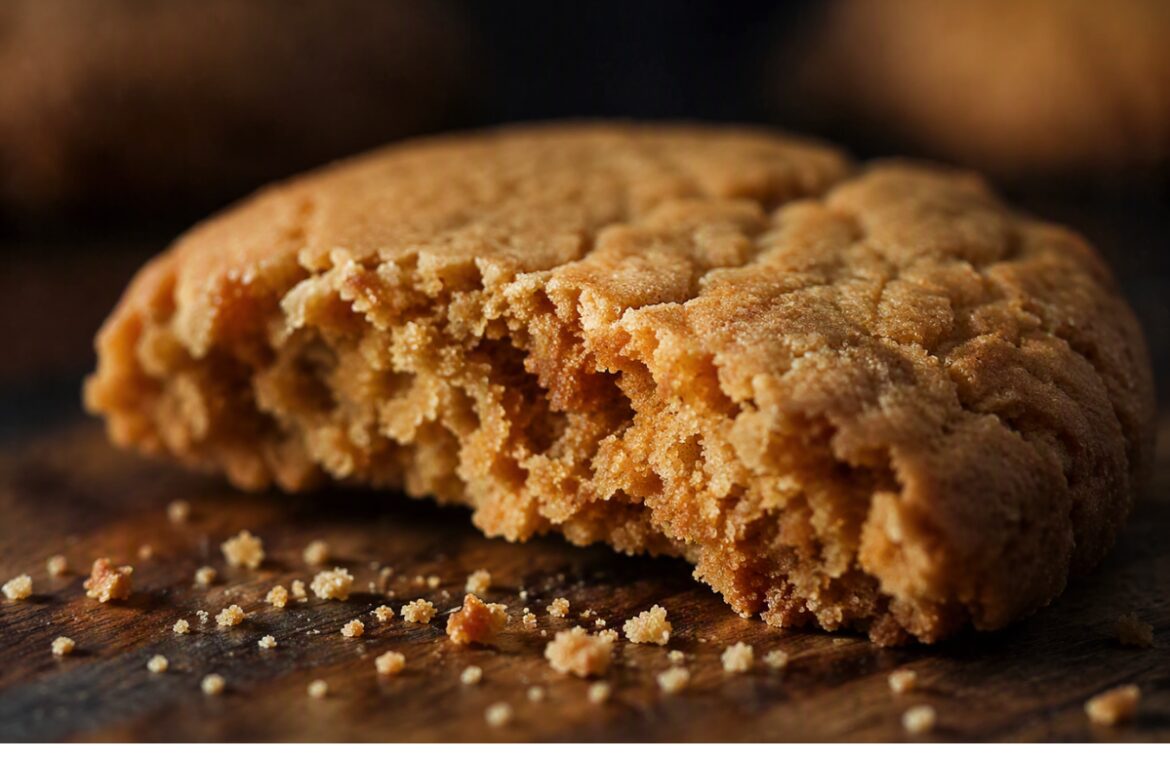
Sponsored content
Biscuit manufacturing has always demanded precision — consistent dough, reliable texture, predictable colour, and a product that performs the same way on the line.
For decades, chemical processing aids have provided that reliability. But the ground is shifting beneath producers across Australia and New Zealand, and the solutions emerging from that pressure are biological rather than chemical.
When flour costs money and quality costs more
Raw material volatility is no longer an exception — it’s the operating environment.
Flour is the foundation of every biscuit recipe, but it’s also the variable that most disrupts production stability.
As global wheat markets continue to fluctuate, Oceania’s biscuit manufacturers face a familiar combination of rising input costs and inconsistent flour quality — two pressures that compound one another on the production floor.
When flour protein content shifts between deliveries, dough properties change, machinability suffers, and final product quality becomes difficult to control.
Enzymes offer a route out of this dependency. By modifying gluten structure and improving dough extensibility, they enable manufacturers to work more flexibly across a wider range of flour specifications without sacrificing consistency in the finished biscuit.
Trials have demonstrated that when applied at optimised levels, protease enzymes can compensate for the variability between soft and medium flour grades, producing comparable biscuit dimensions, surface uniformity and internal crumb structure regardless of which flour specification is in use.

Research consistently shows that “reduced additives” ranks among the top claims influencing new product selection
Cleaner labels and the grandmother test
If a consumer’s grandmother wouldn’t recognise an ingredient on the label, it increasingly doesn’t belong there.
Sodium metabisulphite (SMS) and sodium stearoyl-2-lactylate (SSL) have long been workhorses of biscuit production — effective, well-understood and economical. But both require labelling, and consumer scrutiny of ingredient lists has intensified considerably.
Research consistently shows that “reduced additives” ranks among the top claims influencing new product selection, and the biscuit aisle is no exception.
The enzyme alternative to SMS is already proven at commercial scale.
Proteases have delivered stack heights comparable to those achieved with SMS, a finding with meaningful implications both for cost and for label architecture. The shift from a chemical processing aid to an enzyme that functions as a processing aid — and may, depending on regulatory classification, be exempt from declaration — represents a genuine clean-label advancement.
The case for replacing SSL follows a similar logic.
A combination of protease and lipase enzymes has been shown to not only replicate SSL’s functional contribution to stack height and dough structure but to outperform it across taste, texture, appearance and overall liking in sensory evaluations.
For manufacturers under pressure to reformulate without compromising the product experience, the protease-lipase combination delivers on both counts.
Texture, crunch and the sensory stakes
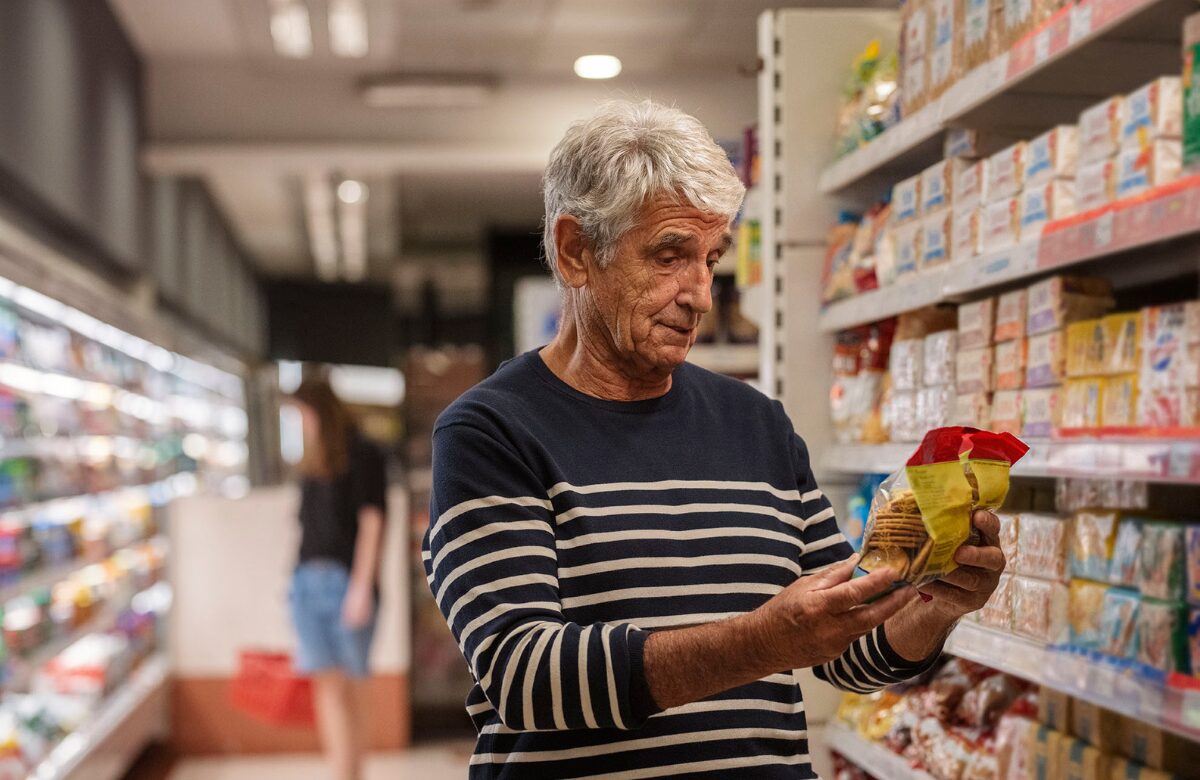
Nearly eight in 10 consumers say crunchiness and crispiness matter when they choose a biscuit.
Novonesis consumer research puts the sensory expectations of biscuit buyers in sharp relief: 78 per cent rate crunchiness and crispiness as important, 68 per cent prioritise texture and 65 per cent consider appearance significant. These aren’t marginal preferences — they’re the criteria by which a biscuit earns repeat purchase.
Protease and lipase enzymes address these criteria directly, though through distinct mechanisms. Proteases act on crunchiness and delivers a lighter, more tender eating experience, while lipase modifies the crack and bite sensation associated with crispiness.
Used in combination, they provide a toolkit for sensory differentiation that chemical emulsifiers alone can’t replicate with the same degree of nuance.
Amylase enzymes contribute to a separate but related consumer priority: visual appeal. By accelerating sugar formation and the Maillard reaction, amylase intensifies surface colour, producing the kind of golden-brown biscuit that performs as well on shelf as it does in the mouth. For biscuit and cracker formats where colour is a quality signal for consumers, this is a measurable commercial advantage.
Nearly eight in 10 consumers say crunchiness and crispiness matter when they choose a biscuit
Acrylamide: a regulatory horizon moving closer
The science is clear. The question for manufacturers is whether they’re ahead of it or behind it.
Acrylamide forms naturally during the baking process when asparagine and reducing sugars react at temperatures above 120°C — conditions that are simply inherent to biscuit and cracker production.
The compound is classified as a probable human carcinogen, and regulators in Europe have been tightening benchmark levels progressively.
A University of Porto study found that 27 per cent of biscuits sold across EU markets exceeded current benchmark acrylamide levels — a proportion that points to widespread compliance exposure as standards continue to tighten.
FSANZ has confirmed that dietary exposures to acrylamide among Australian and New Zealand consumers fall within ranges considered to be of possible concern by the Joint Expert Committee on Food Additives.
The regulator actively encourages the use of enzymes to reduce acrylamide formation and continues to monitor European benchmark developments closely.
It’s a signal that Oceania’s producers need to move from awareness to action — and the larger players already have.
Several major multinational biscuit manufacturers have quietly adopted enzyme-based acrylamide mitigation strategies as standard practice, positioning themselves ahead of regulatory tightening rather than scrambling to respond to it. For regional producers, the question is no longer whether this is worth doing — it’s whether they can afford to wait.
Asparaginase enzyme provides the most effective biological mitigation available. It works upstream of the Maillard reaction by converting asparagine into aspartic acid before acrylamide can form, achieving reductions of up to 85 per cent in semi-sweet biscuit recipes and approximately 75 per cent in crackers.
Critically, it does so without any detectable change in aroma profile or visual appearance — the volatile aroma components present in treated and untreated samples are identical, which means no sensory compromise and no reformulation of the recipe itself.
For manufacturers currently operating without an acrylamide mitigation strategy, the gap between current production reality and where regulatory benchmarks are heading represents genuine business risk.
Take the next step with Novonesis Oceania
The transition from chemical dependency to enzyme-based biosolutions isn’t theoretical — it’s happening on production lines across the region, with measurable results in dough performance, sensory quality and regulatory compliance.
Novonesis’ local specialists Nicole McKay and Sajid Akbar work directly with biscuit manufacturers across Australia and New Zealand to identify the right enzyme combinations for specific product formats and production environments.
To find out how enzyme biosolutions can strengthen your biscuit range, contact the Novonesis Oceania team today.




COMMENTS