


In a surprising twist that has caught the attention of bakers and biosecurity experts alike, sourdough starter is now being used to fight a pest infestation at the Port of Brisbane.
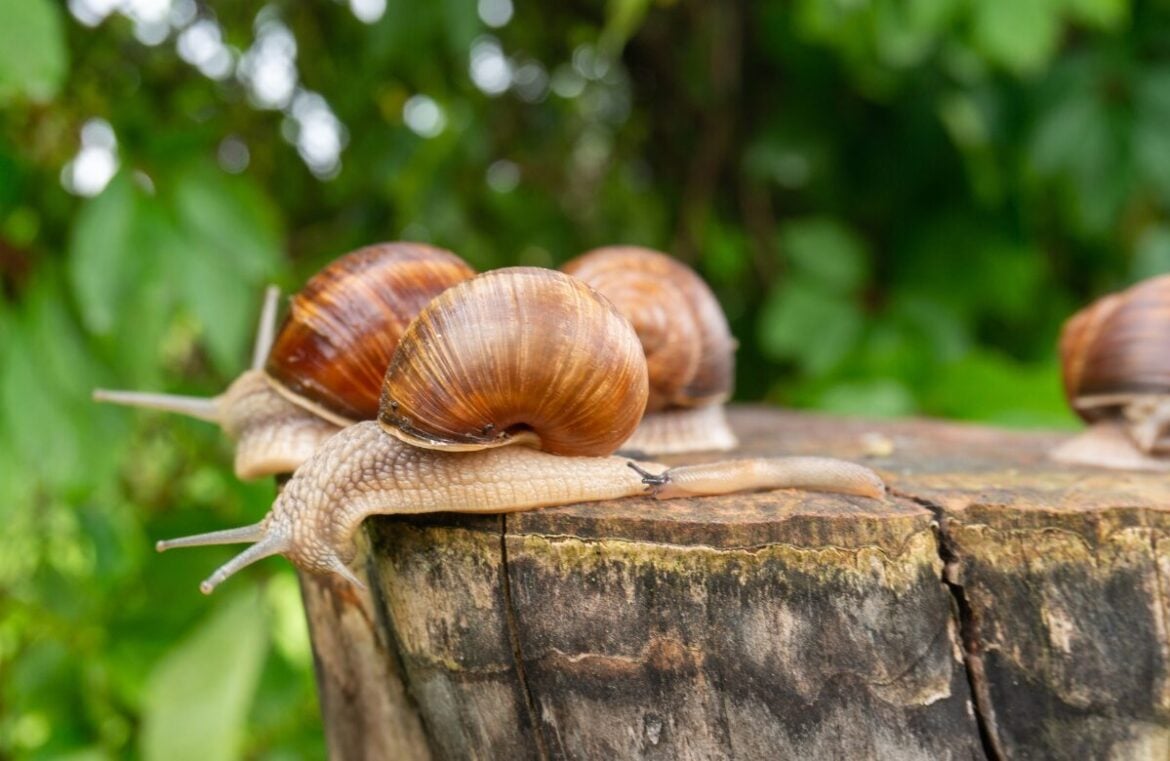
Since mid-March, federal biosecurity officers have been battling an outbreak of Bulimulus sporadicus, a fast-moving, invasive snail species nicknamed the “peanut” or “ghost” snail.
These snails, native to parts of the Americas, pose a significant threat to Australia’s agriculture, with the potential to damage crops like citrus, cotton, soybeans, and blueberries.
In an innovative move, officers turned to raw sourdough starter to lure the snails into traps. It turns out that the same fermentation process that gives sourdough its tangy aroma and complex flavour is also irresistible to gastropods.
Director of the Department of Agriculture, Fisheries, and Forestry’s (DAFF), Jim Eldrige told the abc that sourdough had become a valuable part of their tool kit.
“We’re using it to bait traps, and the results have been encouraging,” he said.
The decision to use sourdough wasn’t random. It was backed by a study from Oregon State University Extension Service, where researchers like Dr. Rory Mc Donnell found that slugs and snails strongly prefer bread dough over any other food tested.
“We gave them a choice of food, and they consistently went for the bread dough,” Rory stated for report from the University of California.
“They really, really like it. They went bonkers for it.”
The reason? Fermentation. As yeast digests the flour’s sugars, it releases gases like carbon dioxide and a medley of aromatic compounds. These gases are what make sourdough so fragrant to humans—and apparently, to snails as well.
Unlike chemical baits, sourdough starter is non-toxic and safe for the environment, making it ideal for sensitive sites like ports, gardens, and farms.
Brisbane’s traps are often no more than shallow containers filled with a few spoonfuls of starter. Placed in shaded or damp areas, these homemade sourdough traps have helped capture hundreds of the invasive snails since March.
And because starter remains effective in the field for up to eight days, it gives biosecurity teams a wide window to track and eliminate the pests.




COMMENTS