


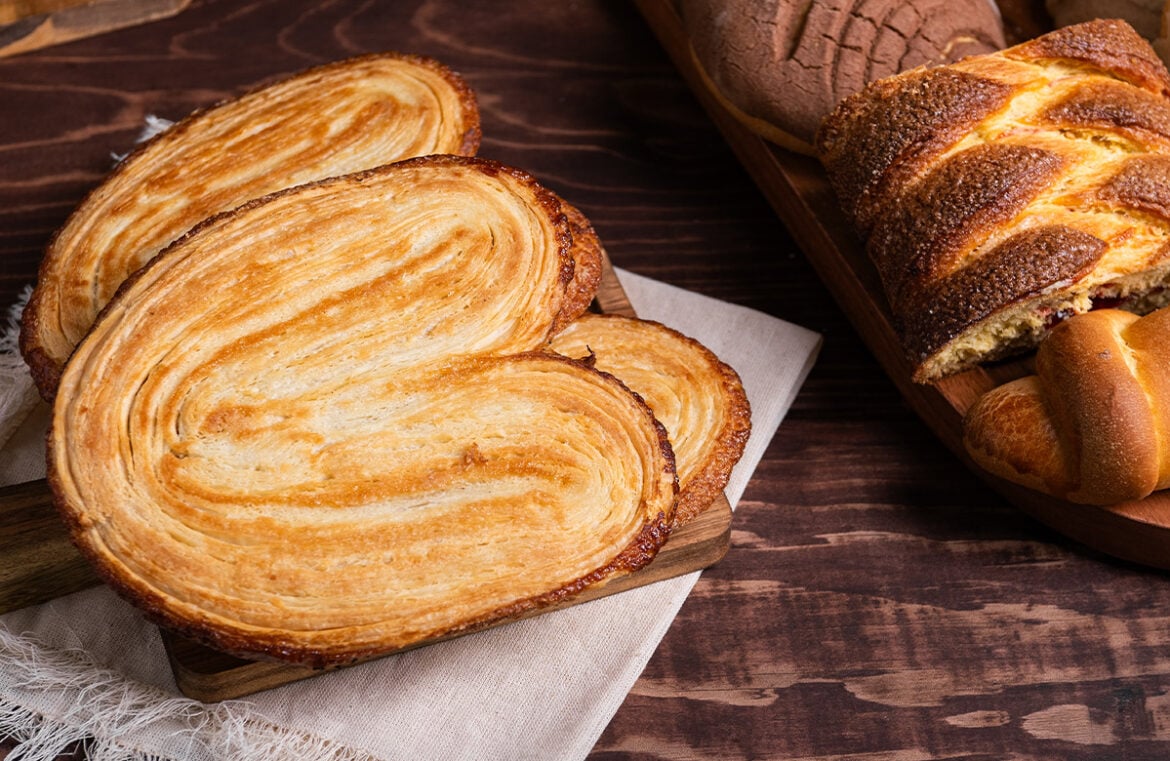
When it comes to product creation elements like superior taste, appearance and aroma are normally high on the checklist. But what about texture? In this edition we take a look at how texture could in fact be the missing ingredient in the pursuit of excellence.
Texture: (Noun) the feel, appearance, or consistency of a surface or substance.
Here’s a few questions for you: how often do you think about texture when it comes to creating products? And do you know where the concept of texture even begins?
According to Ingredion Category Marketing Executive ANZ Kemilyn Ferraz the first thing that’s important for us to understand is that texture does not begin in the mouth – in fact far from it. Where it actually begins is with sight.
“This is how a product looks under the café light, how the crust glows or the crumb springs back,” she said.
“Then comes touch – the gentle press of a bun, the audible crack of a cookie. The first bite releases sound, aroma, and sensation. The chew changes flavour release and, finally, that swallow defines satisfaction.
“It’s a multi-sensory dance between sight, touch, sound, and mouthfeel – [we call this] the bite journey. Great bakers design that journey on purpose, ensuring every element comes together to create a satisfying eating experience.”
Adding onto this, Kemilyn said it was in fact texture that is the number one cue for consumers when it came to assessing quality, and it often helped shape the line between a product being considered simply ok, and a ‘wow, I need another one’ moment.
In fact, research undertaken by Ingredion has shown that one in two consumers will reject a product due to undesirable texture.
What’s more, it was shown that crispy, tender and creamy textures tended to outperform sticky, fatty or oily textures, and that although soft, silky, creamy and tender textures were universally popular it was crispy that led the way.
However, it has to be noted that in Australia texture is considered an under-leveraged factor in bakery innovation – a fact, Kemilyn said, could be attributed to the simple fact that it isn’t talked about enough.
“We brief by flavour but we should brief by feeling. We measure cost, but not satisfaction. And we rarely make texture claims visible to shoppers,” she said.
“Texture can also feel subjective – everyone experiences it differently – so teams avoid it. At Ingredion we work to make it objective through shared texture maps and consumer language frameworks. Once R&D, marketing and sensory teams speak the same ‘texture language’, product development becomes faster, clearer, and more exciting.”
Taking the first step
So, where do you begin if you want to analyse the textures in your own product range?
The first, and possibly most achievable step, is by putting yourself in your customers’ shoes and closely examining your own reactions when eating a product.
Kemilyn said this bite journey was important to map what consumers see, touch and feel through each bite.
“Then identify which emotions you want – comfort, indulgence, surprise… just start with this question: what do you want people to feel when they bite your product? That’s where true innovation begins,” Kemilyn said.
“Based on our proprietary insights and trends that we’ve identified, we also know that APAC consumers are seeking cleaner, healthier options that do not compromise on taste and texture.”
In fact, texture and texture claims can play a significant role in driving consumer perceptions of health. In 2022, 84 per cent of surveyed consumers said they thought light and firm textures were associated with health, while 54 per cent said smooth, 59 per cent said creamy, and 71 per cent said pulp.
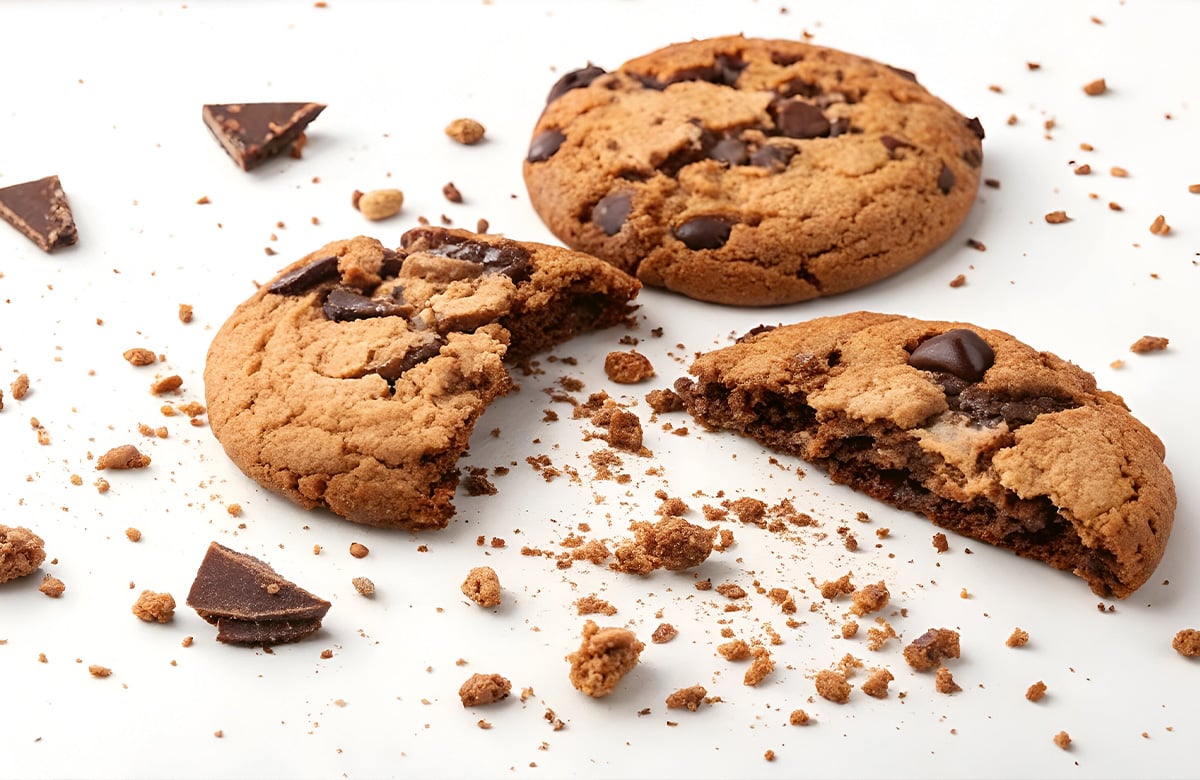
Smooth and crispy textures have proven more popular than oily and dry
Kemilyn added that Ingredion’s 2024 texture research study showed that for 25 per cent of global consumers it was texture that mattered more than flavour, and that 52 per cent wouldn’t eat a food if they didn’t like the texture.
“My advice to bakers is simple: design texture intentionally, don’t just let it happen, and pair it with flavour,” Kemilyn said.
“A silky filling makes a tart feel creamier; a crispy layer lifts sweetness. And use contrast – multi-texture like ‘crisp outside, soft inside’ scores higher across every demographic.
“Lastly, avoid texture traps. Oily, sticky or overly dry textures make products feel low quality.”
Kemilyn said in APAC specifically every country in the region has its own specific texture and taste preferences, so it was important to work out the texture profiles that worked for your own consumer base.
“Consumers are very particular about the texture of food, and these preferences are an important aspect to keep in mind across each market. Texture is what makes food feel alive. It’s the emotional fingerprint of every product,” she said.
“Consumers can see it [texture] before they taste it – the flaky layers of a croissant, the crackly top of a brownie, the stretch in a mochi doughnut. Those signals set the stage for indulgence, comfort, or surprise. When texture works, flavour shines; when it doesn’t, the best recipe falls flat.”
More tips
- Texture sells and keeps people coming back. Half of consumers will reject a product if the texture feels wrong.
- Start small. Pick one hero product, set a clear texture goal and protype quickly.
- Texture isn’t just a sensory property – it’s a marketing tool. Consumers read it as quality, indulgence and even health.




COMMENTS