


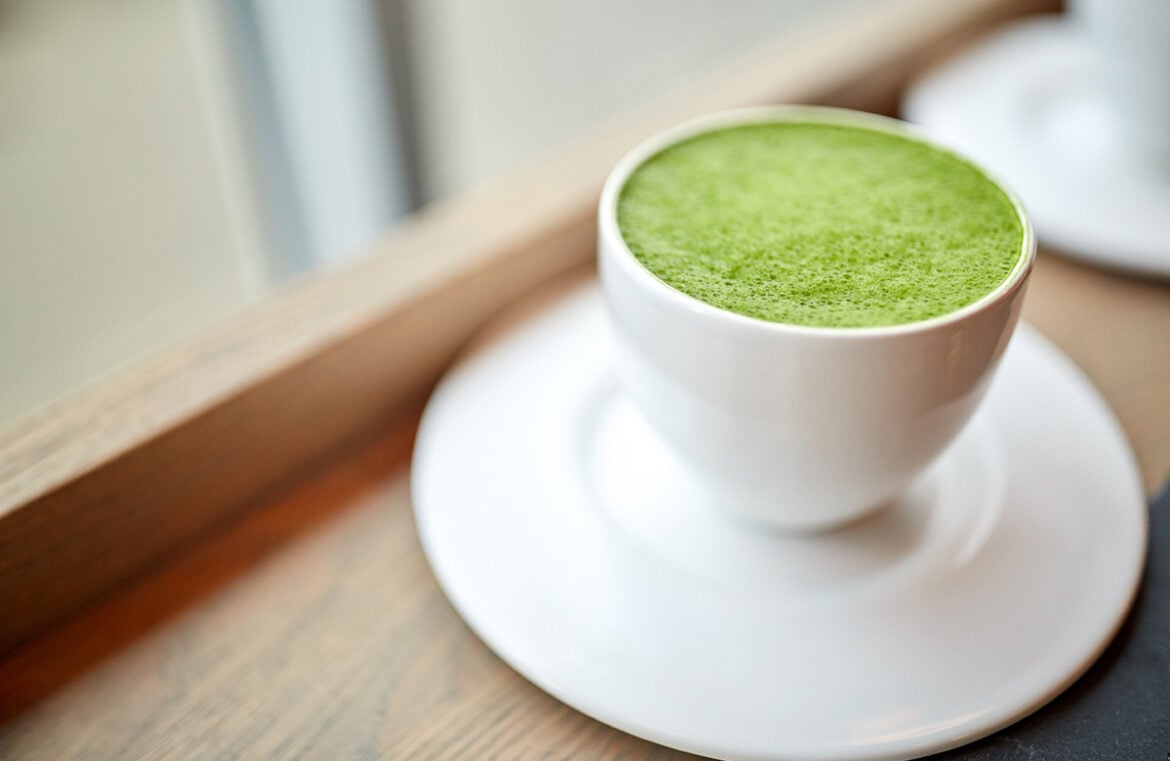
Matcha has been a breakout star in 2025, with the vibrant green tea being found in a wide variety of both beverages and foods.
However, with this rise in popularity has come an increase in counterfeit products.
According to abc.net.au matcha labelling is almost totally unregulated and, as a result, some Japanese producers are worried Chinese producers are exploiting the growing demand by mislabelling inferior tea products as Japanese matcha. Although anyone can make matcha, these producers are claiming some of the labelling or packaging they are seeing overseas copy famous Japanese brand names, or falsely claim to be from Japanese tea-growing regions.
Matcha farmer Jintaro Yamamoto told abc.net.au that it was incredibly gratifying to see Japanese culture, or these enduring historical traditions, are being recognised by people around the world.
“It’s deeply regrettable that we cannot meet the demands of people around the world,” he said.
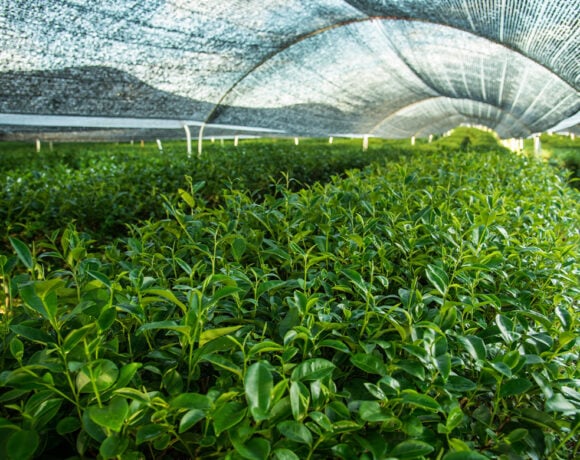
Quickly increasing matcha supplies is also not an option, as the green tea plants take about five years to grow. Then there’s the process to make the powder, which is painstaking and requires the farmers to shade the plants about three weeks before harvest. This increases chlorophyll and amino acids. Then, after harvest, the leaves are steamed for 10 seconds before being air-dried and ground using traditional stone mills. All up this produces about 40g an hour.
However, this is not the first time there has been a matcha shortage.
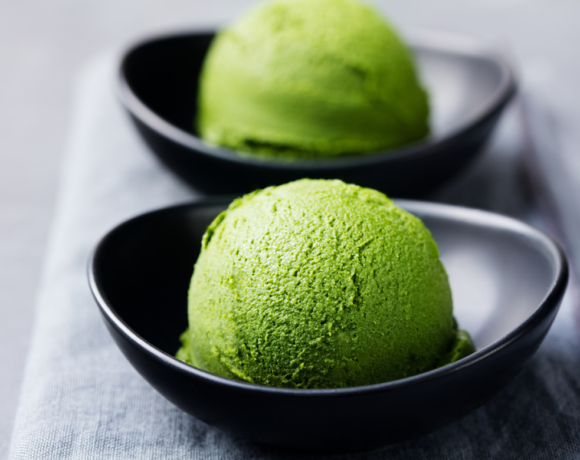
The first was in the 1990s when ice cream brand Haagen-Dazs launched its green flavour in Japan, while there was another in the early 2000s when Starbucks first began to serve matcha lattes. Between 2010 and 2023 matcha production has increased almost three-fold, while in 2024 Japanese tea exports broke records when it rose by 25 per cent in one single year.
One major issue in this is that the word “matcha” can’t be trademarked, however phrases like “Uji matcha” can be. Uji is one of Japan’s major tea-growing regions.
Japan’s Ministry of Agriculture have pushed to have trademarks like this registered overseas, and believed there had been some success in lobbying China to crack down on misleading products.
“We understand there have been instances, for example, where a Chinese company unrelated to Uji applied to register the trademark ‘Uji Matcha’ in China,” Tomoyuki Kawai from the ministry’s tea division told abc.net.au.
“But the Chinese authorities rejected it.”



COMMENTS