


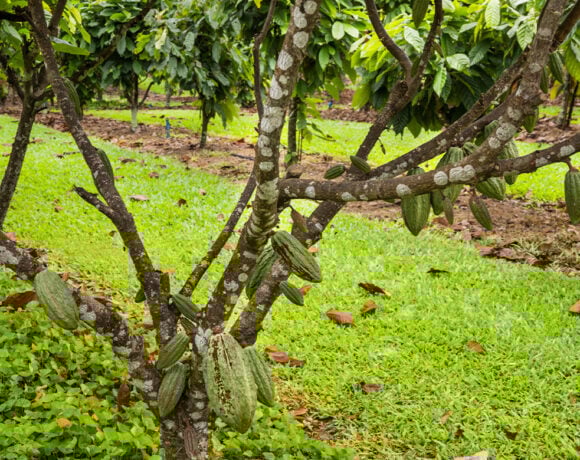
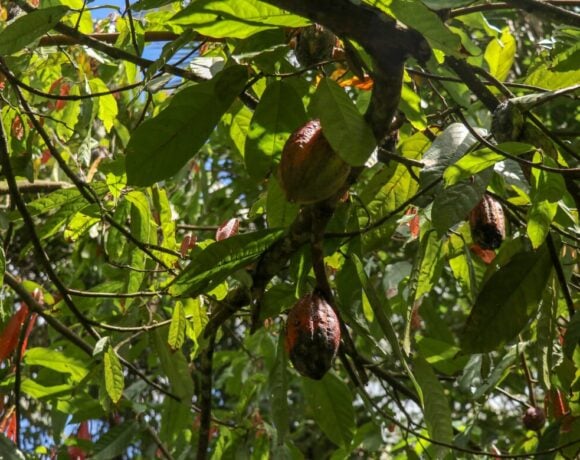
A combination of extreme weather conditions has threated global cocoa crops in recent years, in turn resulting in a decrease in yield and soaring prices.
However, researchers from the National University of Singapore have set out to find a solution.
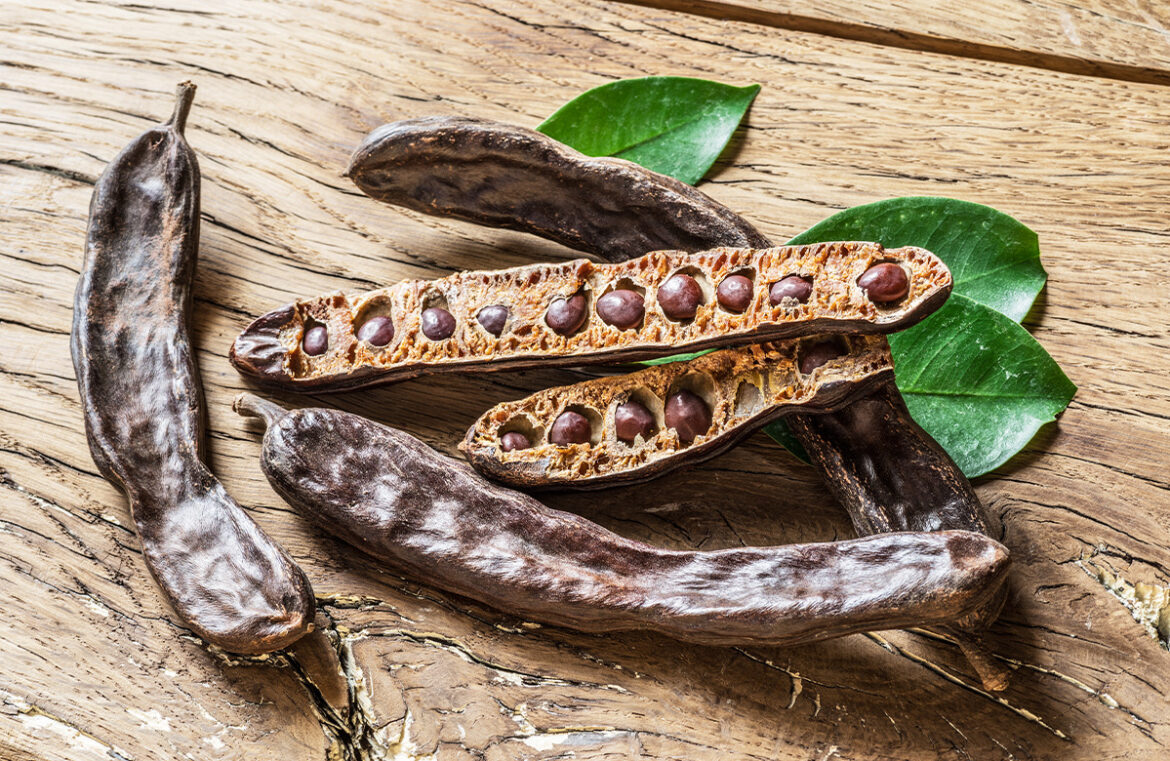
The researchers focused on carob, a climate-resilient plant grown in the Mediterranean that has slowly gained attention as a promising cocoa alternative.
The main difference lies in the fact that unlike cocoa, carob thrives in hot, arid climates and has very low water requirements. However, despite releasing a similar aroma after roasting that resembles cocoa, the flavour profile remains quite different.
To help overcome this, the researchers devised two techniques to alter the plant’s flavour, using enzymes to increase the bitterness and enhance sweetness.
First author of the research paper Manfred Ku said the research wasn’t just about replicating the flavour of cocoa, it was about diversifying the ingredients we use to make chocolate alternatives.
” By turning to hardy, climate-resilient crops likes carobs, we can help the industry adapt to environmental challenges while giving consumers a product they will enjoy Manfred said to Yahoo News.
The enzyme treatment is a straightforward method that requires minimal processing compared to alternative methods that can involves harsh chemicals like hydrochloric acid to enhance flavour.
According to Yahoo News the researchers said by improving carob’s flavour profile these techniques could encourage confectioners to use carob in food products normally reserved for cocoa such as chocolate bars, cocoa powders, and other cocoa-based drinks. What’s more, if it was adopted at scale then it could significantly reduce the chocolate industry’s dependence on cocoa, making supply chains more resilient to climate change and crop disease outbreaks.
The cost of cocoa quadrupled during the first half of 2024 and the start of 2025, and even though prices have reduced more recently it still remains above historic levels.
Dr Tonya Lander, Stipendiary Lecturer at Christ Church and researcher at the Oxford Martin School Programme on the Future of Food said this market volatility was driven by a complex mix of factors from climate change to gold mining.
” Each of these may drive small changes, but together they have caused unprecedented instability,” she said.
“Understanding these factors may help us improve the long-term resilience of the industry, and support the farmers who provide its foundation.”



COMMENTS